Flying from Tokyo to Hokkaido: Choosing the Right Gateway Airport
September 12, 2026
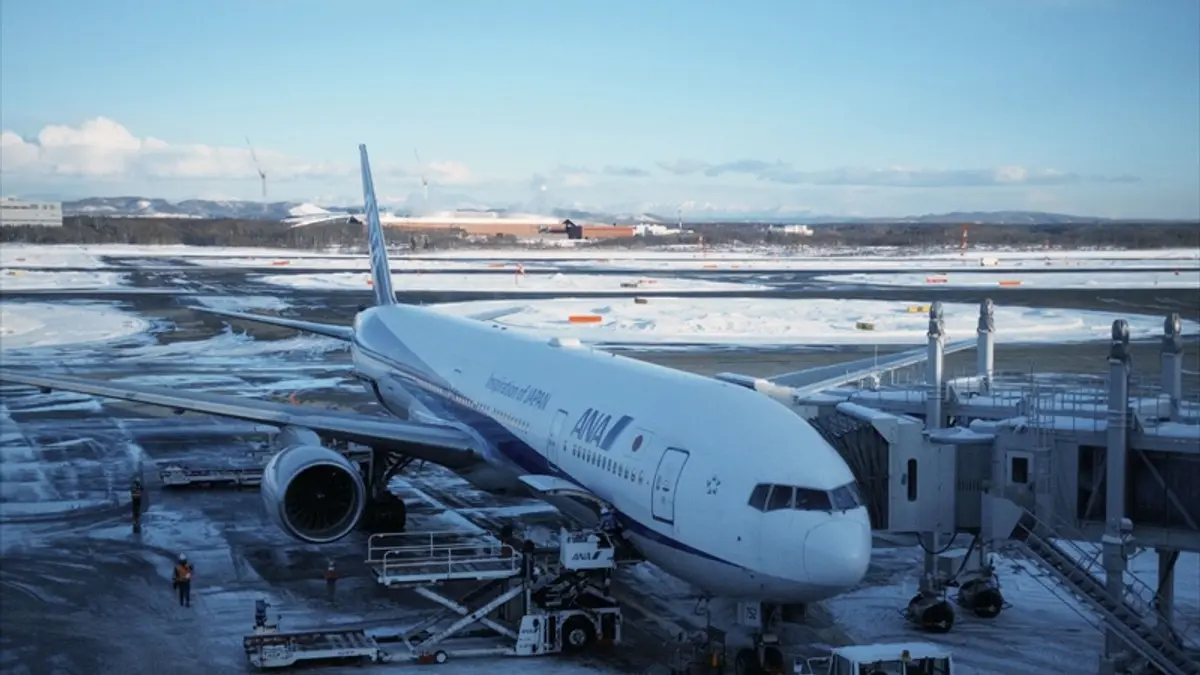
Flying from Tokyo to Hokkaido is the standard, most practical way to reach Japan's northernmost main island. The Hokkaido Shinkansen from Tokyo currently ends at Shin-Hakodate-Hokuto in the far south, and Sapporo is about another three and a half hours from there by limited express, so air travel remains the default choice for reaching nearly all of Hokkaido's major regions. Tokyo's Haneda Airport offers direct flights to the six gateway airports covered below, as well as to Wakkanai, Monbetsu and Nemuro-Nakashibetsu, allowing travelers to land directly in the region they plan to explore.
Quick Answer
- New Chitose Airport: Fly here for Sapporo, Otaru, and as the primary central transportation hub for general island exploration.
- Hakodate Airport: Fly here for Hakodate, or take the Shinkansen from Tokyo to Shin-Hakodate-Hokuto and change to the Hakodate Liner train into the city.
- Asahikawa Airport: Fly here for Asahikawa and as a convenient gateway to the surrounding Furano and Biei countryside.
- Tokachi-Obihiro Airport: Fly here for Obihiro and the Tokachi region; airport buses run to Obihiro Station, where regional bus routes start.
- Kushiro Airport: Fly here for Kushiro and the surrounding eastern wetlands and coastal regions.
- Memanbetsu Airport: Fly here for Abashiri and for Utoro on the Shiretoko Peninsula, reached by a seasonal direct bus, by bus and train via Abashiri at other times, or by rental car.
Orientation: Choosing Your Hokkaido Gateway
Instead of treating Hokkaido as a single destination with multiple competing airports, approach your flight booking by identifying where you intend to start your trip on the island. Hokkaido is vast, and driving or taking ground transit across regions takes significant time. Selecting the airport closest to your initial destination eliminates long overland transfers immediately after landing. From Haneda, you can book flights to all six airports with both ANA and JAL; on several routes, the ANA flights are operated by Air Do. Flights take roughly 1 hour 20 minutes to 1 hour 50 minutes.
Gateway Airports
New Chitose Airport (Sapporo)
New Chitose Airport is the largest, busiest, and most heavily served gateway on the island. ANA and JAL together offer dozens of flights a day from Haneda (some ANA flights are operated by Air Do), so flight options are frequent, and fares vary widely depending on how far in advance you book.
- Best for: Travelers heading to Sapporo, Otaru, or those starting a broad road trip across central Hokkaido.
- How to buy: Book online directly through airline reservation websites or via travel platforms well in advance to secure early-booking discounts.
- Watch out for: High passenger volumes mean terminals are consistently busy, requiring you to arrive at the departure airport with ample time before boarding.
Hakodate Airport (Hakodate)
Hakodate Airport serves the southern tip of the island; you can book flights here from Haneda with ANA or JAL, and some ANA flights are operated by Air Do. For travelers moving gradually up through Honshu, the Hokkaido Shinkansen is an alternative: it ends at Shin-Hakodate-Hokuto, about 15–20 minutes from Hakodate Station on the Hakodate Liner train.
- Best for: Visitors whose primary focus is exploring the historic port city of Hakodate and southern Hokkaido.
- How to buy: Reserve tickets online through major airline platforms or domestic booking portals.
- Watch out for: Weather conditions along the southern coast can occasionally impact flight operations during winter or stormy periods.
Asahikawa Airport (Asahikawa and Furano/Biei)
Asahikawa Airport provides direct access to central Hokkaido, serving the island's second-largest city as well as the nearby rural landscapes of Furano and Biei. You can book flights here from Haneda with JAL or ANA; the ANA flights are operated by Air Do.
- Best for: Travelers planning to explore Asahikawa, view the rolling hills of Biei, or tour the farm landscapes of Furano.
- How to buy: Purchase tickets through airline websites or standard travel booking channels.
- Watch out for: Flight frequencies are lower than those for New Chitose, so scheduling must be coordinated carefully with your broader itinerary.
Tokachi-Obihiro Airport (Obihiro)
Tokachi-Obihiro Airport connects Tokyo directly to the interior plains of eastern Hokkaido. You can book flights here from Haneda with JAL or ANA; the ANA flights are operated by Air Do. Airport buses run to Obihiro Station Bus Terminal in about 40 minutes, where regional bus routes start.
- Best for: Visitors heading straight to Obihiro and the surrounding agricultural Tokachi region.
- How to buy: Secure tickets online via airline portals or domestic flight aggregators.
- Watch out for: Service schedules are more limited, offering fewer daily flights compared to the major metropolitan routes.
Kushiro Airport (Kushiro)
Kushiro Airport serves the southeastern coast of Hokkaido, bringing travelers close to the region's famous wetlands, coastal parks, and seafood markets. You can book flights here from Haneda with JAL or ANA; some ANA flights are operated by Air Do.
- Best for: Travelers targeting Kushiro, the surrounding marshlands, and the rugged eastern coastline.
- How to buy: Book directly through airline websites or online booking services.
- Watch out for: Coastal fog is common in this region during certain seasons, which can occasionally affect flight visibility and arrivals.
Memanbetsu Airport (Abashiri)
Memanbetsu Airport serves the northeastern region near Abashiri and the Sea of Okhotsk. You can book flights here from Haneda with JAL or ANA; the ANA flights are operated by Air Do. For Utoro on the Shiretoko Peninsula, the Shiretoko Airport Liner bus runs directly from the airport in season (June to September and late January to early March); at other times, take the airport bus to Abashiri, the JR Senmo Line to Shiretoko-Shari and a Shari Bus to Utoro, or rent a car. Trains on the Senmo Line are infrequent, so check that the airport bus, train and Shari Bus times connect before you travel.
- Best for: Travelers heading to Abashiri, Lake Kussharo, or points toward the Shiretoko Peninsula.
- How to buy: Purchase domestic flight tickets online via airline channels or travel agents.
- Watch out for: This is a more remote northern gateway with limited flight frequencies, making advance planning essential.
Choosing by Destination
- Sapporo and Central Hokkaido: Fly into New Chitose Airport for the highest flight frequency and flexibility.
- Southern Hokkaido and Hakodate: Fly into Hakodate Airport, or weigh the train alternative via the Tohoku and Hokkaido Shinkansen to Shin-Hakodate-Hokuto.
- Asahikawa, Biei, and Furano: Fly directly into Asahikawa Airport to minimize driving time across the interior.
- Eastern Hokkaido (Obihiro, Kushiro, Abashiri): Select Tokachi-Obihiro, Kushiro, or Memanbetsu depending on whether your itinerary begins in the interior, the south coast, or the northeast.
- Shiretoko Peninsula: Fly into Memanbetsu for Utoro. If the Rausu side of the peninsula is your main focus, also compare flights to Nemuro-Nakashibetsu.
- Far north and the Okhotsk coast: Haneda also has direct flights to Wakkanai and Monbetsu.
Practicalities of Domestic Flights
- Booking and Seating: Domestic flight tickets in Japan are booked online through airline websites or purchased at airport counters. Unlike trains, there is no unreserved seating option. Depending on the airline and fare, you can choose a seat when booking or later at check-in.
- Fare Structures: Fares fluctuate based on demand, and airlines heavily reward early planning. Securing tickets well ahead of your travel date unlocks early-booking discount tiers that significantly lower the cost.
- Luggage Considerations: Check baggage weight and size limits with your specific airline, especially if you are traveling with winter gear or outdoor equipment.
Frequently Asked Questions
Which airport should I fly into if I want to visit Sapporo? New Chitose Airport is the primary gateway for Sapporo, offering the highest volume of daily flights from Haneda.
Do I need to reserve a seat on a Japanese domestic flight? You do not need a separate seat reservation: your ticket includes a seat, and there are no unreserved cars or open seating arrangements like those found on some trains. Depending on the airline and fare, you can choose your seat when booking or later at check-in.
How far in advance should I book my domestic flight? Booking as early as possible is recommended. Airlines offer tiered early-booking discounts that make fares substantially cheaper than purchasing tickets at the last minute.
Can I take a train to Hokkaido instead of flying? While a Shinkansen line connects Honshu to southern Hokkaido, it currently only reaches as far as Shin-Hakodate-Hokuto. From there, the Hokuto limited express continues to Sapporo in about three and a half hours. For most destinations on the island, flying remains the practical default.
What is the best gateway for visiting the Shiretoko Peninsula? Memanbetsu Airport is the closest major airport for northeastern exploration. In season (June to September and late January to early March), the Shiretoko Airport Liner bus runs directly from the airport to Utoro on the peninsula; at other times, take the airport bus to Abashiri, the JR Senmo Line to Shiretoko-Shari and a Shari Bus to Utoro, or rent a car. Trains on the Senmo Line are infrequent, so check that the airport bus, train and Shari Bus times connect before you travel. If the Rausu side of the peninsula is your main focus, also compare flights to Nemuro-Nakashibetsu Airport, which has direct flights from Haneda.
Updated 21 October 2026: Corrected the rail and Shiretoko access information, added the other airports with direct flights from Haneda, and named the airlines on each gateway route.