Fukuoka by Public Transport: Exploring Hakata, Tenjin and Dazaifu
September 13, 2026
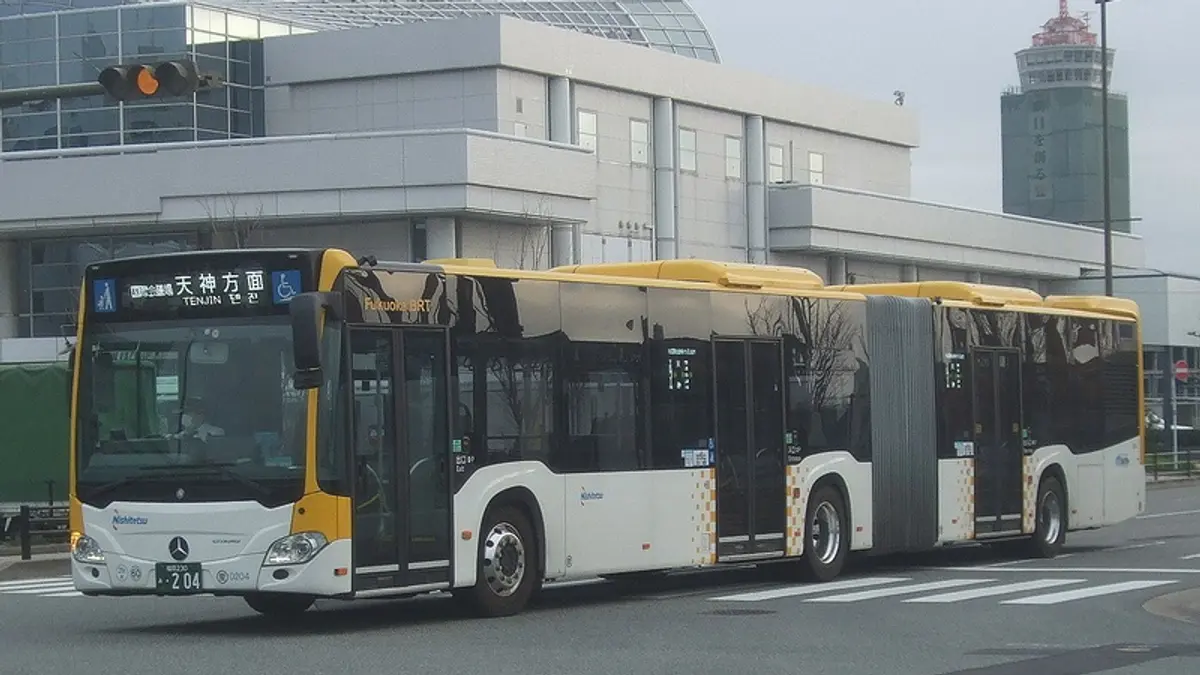
Navigating Fukuoka relies on a compact, high-frequency municipal subway grid, a major regional private railway and bus network, and an innovative contactless payment system that automates daily fare caps. Understanding how these systems connect makes moving through Kyushu's largest city straightforward.
Quick Answer
- Fukuoka City Subway: Use the city's three underground lines (Airport, Hakozaki, and Nanakuma) as your primary backbone for moving between Fukuoka Airport, Hakata Station, and Tenjin.
- Nishitetsu (Nishi-Nippon Railroad): Use Nishitetsu trains and buses when heading outward from central Fukuoka toward destinations like Dazaifu or regional suburbs.
- IC Cards (Hayakaken, SUGOCA, Suica, Pasmo, etc.): Tap in and tap out across trains, subways, and buses without purchasing individual paper tickets.
- Contactless Card Tap-to-Pay: Tap a compatible credit or debit card directly at subway turnstiles to enjoy an automatic daily fare cap (around ¥640) matching the price of a subway day pass (around ¥600-650).
Orientation: How Fukuoka's Network Fits Together
Fukuoka's urban core is remarkably compact, meaning the three-line Fukuoka City Subway alone covers most highlights for typical visitors—including a direct underground connection straight from Fukuoka Airport to Hakata Station in just a few minutes. Operating alongside the subway are the Nishitetsu private rail and bus network and JR Kyushu lines. While rechargeable IC cards work interchangeably across all these operators for gate entry, each system maintains its own separate fare structure and day passes.
Transport Topics and Networks
Fukuoka City Subway
The Fukuoka City Subway consists of three distinct lines: the Airport Line (running east-west through the center), the Hakozaki Line (branching toward the northeast), and the Nanakuma Line (crossing south-west to Tenjin-Minami and Hakata).
- Best for: Fast, frequent travel across central Fukuoka, shopping districts, and straight to or from Fukuoka Airport.
- How to buy: Tap an IC card or a compatible contactless credit card at the automatic turnstiles, or buy a single-ride paper ticket from station machines.
- Watch out for: While Airport Line trains continue directly onto the JR Chikuhi Line past Meinohama, standard subway-only passes and contactless bank-card caps do not cover the JR portion of that extended route.
Nishitetsu (Nishi-Nippon Railroad)
Nishitetsu operates a major private railway and extensive regional bus network originating around Tenjin and Nishitetsu Fukuoka (Tenjin) Station, running southward and eastward toward Dazaifu, Yanagawa, and Kurume.
- Best for: Day trips outside central Fukuoka—such as visiting the shrines of Dazaifu—or utilizing local city buses.
- How to buy: Use an IC card at Nishitetsu gates/buses or purchase point-to-point/day-pass tickets from Nishitetsu counters and vending machines.
- Watch out for: Nishitetsu is a completely separate company from the Fukuoka City Subway, and subway day passes or subway contactless caps do not cover Nishitetsu trains or buses.
Contactless Card Tap-to-Pay & Day-Pass Options
Fukuoka City Subway features a genuinely distinctive payment feature alongside its traditional paper day pass:
- Best for: Riders wanting maximum flexibility without needing to calculate whether a day pass will pay off in advance.
- How to buy: No pre-purchase or app setup is required for contactless bank cards; paper or digital subway day passes can be bought at station ticket machines.
- Watch out for:
- Contactless Credit/Debit Card Tap-to-Pay (Automatic Cap): You can tap a compatible contactless credit or debit card (such as Visa, JCB, American Express, or UnionPay) directly on the dedicated reader at subway turnstiles. If your cumulative rides in a single day exceed the cost of a subway day pass, the system automatically caps your daily charge at around ¥640. This is a bank card feature and not the same as tapping an ordinary transit IC card (like Suica, Pasmo, or Hayakaken), which deducts standard point-to-point fares without an automatic daily cap.
- Subway 1-Day Pass: A traditional paper or digital pass providing unlimited rides across all three Fukuoka City Subway lines for a modest price (around ¥600-650), which also unlocks minor discounts at select local cultural facilities.
Choosing by Situation
- Making a few casual subway trips across central Fukuoka: Tap a standard transit IC card (Suica, Pasmo, Hayakaken, or SUGOCA) and pay as you go.
- Riding the subway three or more times in a single day: Tap a compatible contactless credit/debit card directly at the gate to let the system automatically apply the daily cap (around ¥640), or buy the traditional subway day pass (around ¥600-650) if you want partner-facility discounts.
- Taking a day trip to Dazaifu or relying heavily on Nishitetsu buses: Use an IC card or purchase a dedicated Nishitetsu-scoped pass rather than a subway-only pass.
- Traveling with family or groups: Remember that contactless bank cards and mobile devices are billed per individual card/device (you cannot tap the same card twice for two people), so each traveler needs their own card or IC card.
Practical Tips
- Use your existing Tokyo or Kansai IC card: Suica, Pasmo, and ICOCA work seamlessly on Fukuoka City Subway, Nishitetsu, and JR Kyushu.
- Keep card media consistent: If using contactless credit card tap-to-pay, use the exact same physical card or smartphone/wearable medium for all entries and exits in a day so the automated fare cap calculates properly.
- Take advantage of the airport proximity: Fukuoka Airport Station is only a short subway ride from Hakata and Tenjin, making transit into the city center one of the fastest of any major metropolis in Japan.
Frequently Asked Questions
Can I use my Suica or Pasmo card in Fukuoka? Yes, Suica, Pasmo, ICOCA, and other major regional IC cards work across Fukuoka City Subway, Nishitetsu, and JR Kyushu.
How does the contactless credit card fare cap work on the Fukuoka City Subway? If you tap a compatible contactless credit or debit card directly at the subway gates for all your rides in a single day, the system automatically limits your total daily charge to around ¥640.
Does the contactless credit card cap work the same as a regular Suica or Pasmo card? No, the automatic daily fare cap applies exclusively to compatible contactless bank/credit cards tapped on the dedicated reader, whereas standard transit IC cards deduct normal point-to-point fares.
Does a Fukuoka subway pass cover Nishitetsu trains or buses? No, the Fukuoka City Subway and Nishitetsu are separate operators; subway passes and subway contactless caps do not cover Nishitetsu services.
Is a day pass cheaper than standard fares? If you take three or more subway rides in a day, hitting the around ¥640 contactless cap or buying the around ¥600-650 day pass will generally cost less than paying individual single-ride fares.