Nagoya by Subway and Meitetsu: From the City Center to Greater Aichi
September 13, 2026
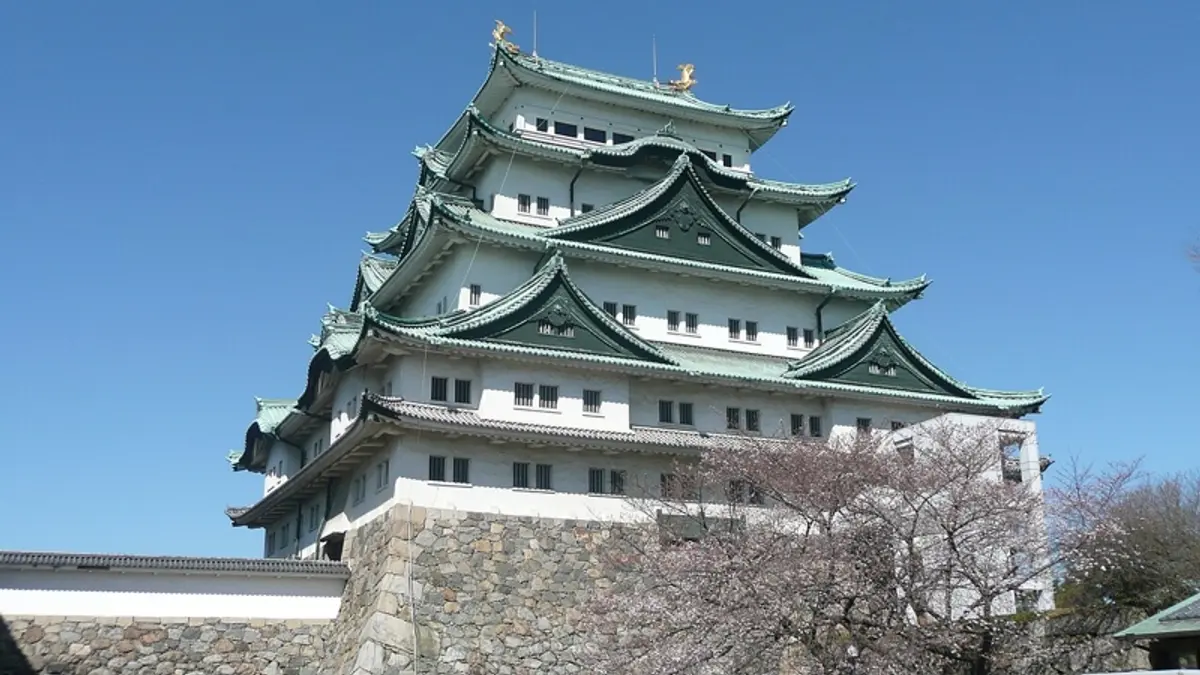
Navigating Nagoya combines a straightforward municipal subway network with a major regional private railway and a uniquely detailed lineup of day passes. Understanding how these systems intersect ensures smooth movement across central Japan's industrial and cultural hub.
Quick Answer
- Nagoya Municipal Subway: Use the city's underground network as your primary backbone for reaching central districts, museums, and commercial hubs.
- Meitetsu (Nagoya Railroad): Use this private railway when traveling outward toward regional destinations or connecting to Chubu Centrair International Airport.
- IC Cards (manaca, Suica, Pasmo, etc.): Tap in and tap out across subways, private rails, and buses without purchasing individual paper tickets.
- Day Passes: Choose carefully between the restricted weekend/holiday Donichi Eco Kippu (around ¥600), an unrestricted daily subway-and-bus pass (around ¥800-900), or a 24-hour subway-only pass (around ¥700-800).
Orientation: How Nagoya's Network Fits Together
Nagoya's inner-city transit centers on the Nagoya Municipal Subway, which forms a cross-and-ring pattern anchored by major multi-line interchange stations like Nagoya Station and Kanayama. Operating alongside the subway are Japan Railways (JR) and the private Meitetsu and Kintetsu networks. While rechargeable IC cards (such as the local manaca card or visitor-held Suica and Pasmo cards) work interchangeably across all these operators for gate entry, each company maintains a separate fare structure and ticketing system.
Transport Topics and Networks
Nagoya Municipal Subway
The Nagoya Municipal Subway operates multiple lines—most notably the Higashiyama Line (east-west) and Meijo Line (the circular loop line)—that carry the bulk of daily urban traffic.
- Best for: Fast, frequent travel to commercial centers, historic sites, and residential wards within central Nagoya.
- How to buy: Tap an IC card at the automatic turnstiles, or purchase a single-ride paper ticket from station fare-adjustment machines.
- Watch out for: Major transfer hubs like Nagoya Station and Sakae feature extensive underground shopping arcades and long walking corridors between different platform levels.
Meitetsu (Nagoya Railroad)
Meitetsu is Nagoya's primary private railway, operating a sprawling network that radiates outward from Nagoya Station and Kanayama toward surrounding prefectures, including Gifu, Toyota, and Chubu Centrair International Airport.
- Best for: Regional day trips outside the city center or catching direct airport express trains to Centrair.
- How to buy: Use an IC card at Meitetsu ticket gates or buy point-to-point paper tickets from Meitetsu-specific vending machines.
- Watch out for: Meitetsu is completely separate from the municipal subway system; city subway day passes do not cover Meitetsu tracks, meaning you must pay an additional fare or tap your IC card.
Day-Pass Options
Nagoya offers an unusually diverse selection of day passes, and choosing the right one depends heavily on your calendar date and itinerary.
- Best for: High-frequency riders looking to cap daily transport costs within the municipal network.
- How to buy: Purchase at subway station ticket machines, commuter pass counters, or selected transit offices.
- Watch out for: None of these passes cover Meitetsu or JR trains. The three main options have distinct rules:
- Donichi Eco Kippu (Weekend/Holiday Pass): Provides unlimited rides on the Nagoya Municipal Subway and city buses, priced around ¥600. Crucial restriction: It is only valid on Saturdays, Sundays, national holidays, and the 8th day of every month—it cannot be used on an ordinary weekday.
- All-Day Subway + City Bus Pass: Covers unlimited rides on the subway and city buses with no day-of-week restrictions, priced around ¥800-900.
- Subway-Only 24-Hour Pass: Valid for 24 hours from the exact time of first use (rather than expiring at midnight), covering only the subway lines and priced around ¥700-800.
Choosing by Situation
- Traveling on a Saturday, Sunday, public holiday, or the 8th of the month with heavy subway/bus use: Buy the Donichi Eco Kippu (around ¥600) for the best value.
- Traveling on a regular weekday with multiple subway and bus trips: Choose the unrestricted all-day subway and bus pass (around ¥800-900).
- Making several subway hops starting mid-day that stretch into the next morning: Utilize the 24-hour subway-only pass (around ¥700-800).
- Taking only one or two short subway rides, or mixing in Meitetsu and JR lines: Skip day passes and use a standard IC card (Suica, Pasmo, or manaca) on a pay-as-you-go basis.
Practical Tips
- Use your existing Tokyo or Osaka IC card: Suica, Pasmo, and ICOCA are fully compatible with Nagoya's subways, Meitetsu, and city buses.
- Distinguish Nagoya Station from Meitetsu Nagoya: Although they sit side-by-side or stacked vertically, Meitetsu has its own terminal gates separate from the main JR and municipal subway stations.
- Check the calendar date before buying a pass: Accidentally purchasing the cheaper Donichi Eco Kippu on a normal Tuesday will leave you with an invalid ticket at the gates.
Frequently Asked Questions
Can I use my Suica or Pasmo card in Nagoya? Yes, Suica, Pasmo, and other major regional IC cards work seamlessly for tapping in and out of Nagoya Municipal Subway, Meitetsu, and local buses.
Does a Nagoya subway day pass cover Meitetsu trains? No, Meitetsu is a separate private railway and is not included on any Nagoya Municipal Subway or city bus day pass.
What is the Donichi Eco Kippu? It is a discounted unlimited-ride pass for the subway and city bus, priced around ¥600, but it is strictly restricted to weekends, public holidays, and the 8th of each month.
How is the 24-hour subway pass different from a standard day pass? The 24-hour pass activates the moment you first use it and remains valid for a full 24 hours, whereas standard day passes expire at the end of the calendar day.
Is a day pass always cheaper than using an IC card? Not necessarily; if you only make a couple of short rides, paying standard fares with an IC card will cost less than buying a day pass.