Osaka by Metro and Rail: Linking Umeda, Namba and Tennoji
September 13, 2026
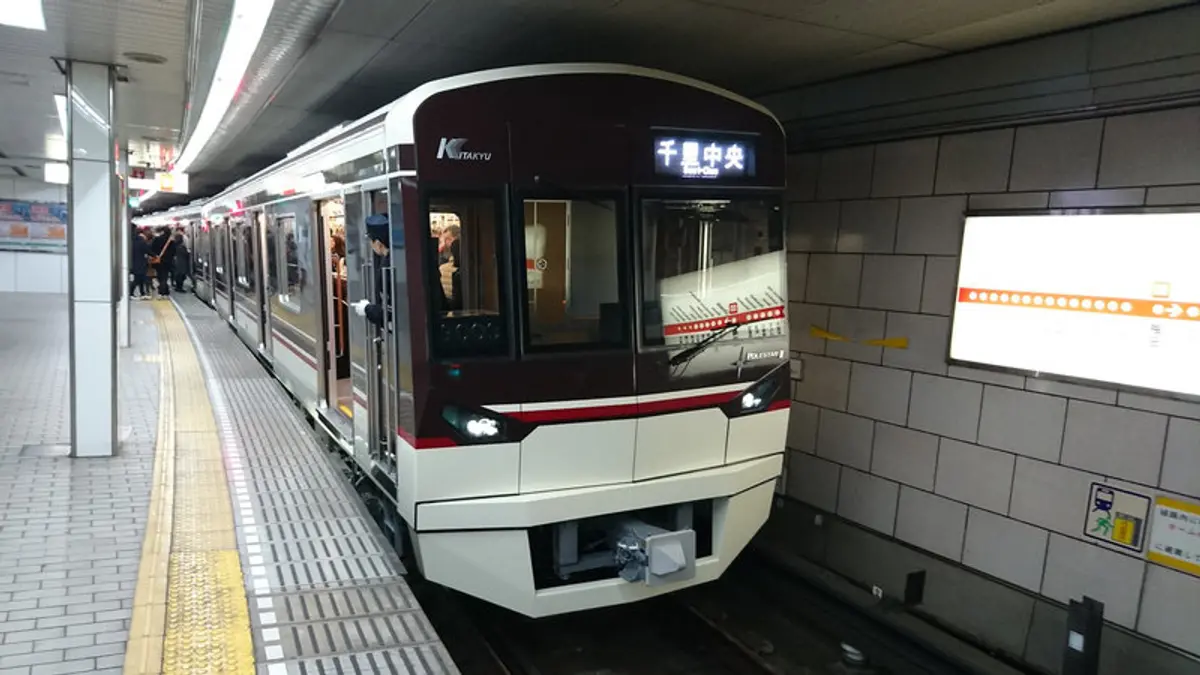
Navigating Osaka's rail grid combines a fast central loop line, a comprehensive subway network, five distinct regional private railways, and universal IC card tap-and-ride utility. Understanding how these systems connect makes moving across the city straightforward.
Quick Answer
- JR Osaka Loop Line: Use this surface-level loop as your primary backbone for circling central hubs like Osaka Station/Umeda and Tennoji.
- Osaka Metro: Use the city's underground subway network—anchored by the north-south Midosuji Line—to reach commercial centers and neighborhoods inside or adjacent to the JR loop.
- Five Private Railways: Use Hankyu, Hanshin, Keihan, Kintetsu, or Nankai when heading outward from central Osaka to neighboring regions (such as Kyoto, Nara, Kobe, or Kansai Airport).
- IC Cards (ICOCA, Suica, Pasmo): Tap in and tap out across almost all trains, subways, and buses without purchasing individual paper tickets.
- Day Passes: Choose either a simple Metro-and-bus day pass (around ¥800) or an Osaka Amazing Pass (combining Metro, selected private rail sections, and free admission to dozens of attractions) depending on whether you are sightseeing or purely transiting.
Orientation: How Osaka's Network Fits Together
Osaka's transit system centers on a dense urban core ringed by the JR Osaka Loop Line and cross-hatched by the underground Osaka Metro. Radiating outward from this central core are five private railway companies that connect Osaka to the wider Kansai region. While these lines are operated by separate entities, rechargeable IC cards work interchangeably across all of them. If you arrive from Tokyo or another region with a Suica or Pasmo card, you do not need to buy an ICOCA card unless you want a local souvenir.
Transport Topics and Networks
JR Osaka Loop Line
The Osaka Loop Line (Osaka Kanjo-sen) is a surface-level JR rail loop circling central Osaka. It is physically smaller and quicker to ride around than Tokyo's Yamanote Line, connecting major hubs including Osaka Station/Umeda, Tennoji, Tsuruhashi, and Kyobashi.
- Best for: Fast surface travel around the perimeter of central Osaka and direct connections to main JR trunk lines.
- How to buy: Tap an IC card at the automatic turnstiles or buy a paper ticket from a JR station machine.
- Watch out for: Trains run in both clockwise (sotomawari) and counter-clockwise (uchimawari) directions, and some trains branch off onto outer suburban lines (such as the Yumesaki Line), so check the train side-displays and platform signs carefully.
Osaka Metro
The Osaka Metro operates the city's underground subway system. Formally privatized from municipal control, it is officially branded as "Osaka Metro" rather than the older "Osaka Subway" designation found in legacy guidebooks. Its red Midosuji Line serves as the primary north-south spine connecting Umeda, Shinsaibashi, Namba, and Tennoji.
- Best for: Direct north-south and east-west transit through the busiest commercial, shopping, and entertainment districts.
- How to buy: Tap an IC card at the gates or purchase a single-ride paper ticket from station fare machines.
- Watch out for: Stations serving multiple lines can have long underground walking corridors between platforms, and transfer gates between different operators require attention if you switch to a private railway.
Five Major Private Railways
Unlike Tokyo—where most private railways feed directly into the central subway and JR grid—Osaka's five private rail networks originate at terminal stations in Umeda, Namba, or Yodoyabashi and shoot outward into distinct regional directions:
Hankyu: Radiates northwest toward Kobe and Kyoto (from Umeda).
Hanshin: Runs west toward Kobe (from Umeda / Namba via direct wrap-arounds).
Keihan: Heads northeast toward Kyoto (from Yodoyabashi / Nakanoshima).
Kintetsu: Extends east toward Nara, Ise, and Nagoya (from Osaka-Namba / Abenobashi).
Nankai: Reaches south toward Sakai, Wakayama, and Kansai International Airport, plus Mt. Koya (from Namba).
Best for: Day trips outside central Osaka or reaching specific suburban transit hubs.
How to buy: Use an IC card at the private railway gates or buy point-to-point tickets from that specific company's vending machines.
Watch out for: Private railway terminals do not always share the exact same building name as nearby JR or Metro stations (for example, Nankai Namba, JR Namba, and Osaka-Metro Namba sit a short walk apart underground or above ground).
Day-Pass Options
Day passes cater to specific travel styles depending on whether you intend to sightsee or just move between neighborhoods.
- Best for: Selecting the right balance of transit and attraction coverage without overpaying.
- How to buy: Purchase via station ticket machines or designated online tourist ticket platforms.
- Watch out for: There are two distinct categories of passes:
- Simple Metro-and-Bus Pass (Enjoy Eco Card): Covers unlimited rides on Osaka Metro lines and city buses for a modest price (around ¥800, with lower rates on weekends and public holidays). Ideal if you are only riding the subway and buses within the city.
- Osaka Amazing Pass: A higher-priced combination ticket that covers Osaka Metro, city buses, designated sections of the five private railways within city limits, and free admission to around 40 local paid attractions. Ideal if you plan to visit multiple museums, observation decks, or river cruises on the same day.
Choosing by Situation
- Moving quickly between central hubs on a standard day: Use a Suica, Pasmo, or ICOCA card on a pay-as-you-go basis.
- Riding the Osaka Metro and city buses repeatedly across a single day without paid sightseeing: Buy the simple Metro-and-bus day pass (around ¥800 or cheaper on weekends).
- Visiting several paid landmarks and museums alongside heavy city transit: Buy the Osaka Amazing Pass to bundle admission and travel.
- Taking a day trip to Nara, Kyoto, Kobe, or Kansai Airport: Use an IC card or a dedicated intercity private rail ticket rather than a city-only pass.
Practical Tips
- Use your existing Tokyo IC card: Your Suica or Pasmo works identically to an ICOCA across all major Osaka gates.
- Check terminal names carefully: Umeda, Namba, and Tennoji house multiple separate stations for JR, Metro, and private lines; follow overhead signage rather than relying solely on street-level orientation.
- Watch the time of day at commercial hubs: Underground malls around Umeda and Namba function as massive subterranean cities; finding the right exit letter (such as Mid-Midosuji or Exit 14) saves significant walking.
Frequently Asked Questions
Can I use my Suica or Pasmo card in Osaka? Yes, Suica, Pasmo, ICOCA, and other major regional Japanese IC cards are fully interoperable across Osaka Metro, JR West, and all private railways.
Is it "Osaka Metro" or "Osaka Subway"? It is officially branded as Osaka Metro following its 2018 privatization, though older maps or signs may still refer to the municipal subway system.
Which subway line is the most useful for visitors? The red Midosuji Line handles the bulk of primary visitor traffic, connecting Umeda, Shinsaibashi, Namba, and Tennoji.
Does a standard Osaka Metro day pass cover private railways like Hankyu or Kintetsu? No, the standard Enjoy Eco Card covers only Osaka Metro and city buses; you need the broader Osaka Amazing Pass or separate tickets to ride private railways.