How to Get from Fukuoka Airport to Hakata and Tenjin
September 12, 2026
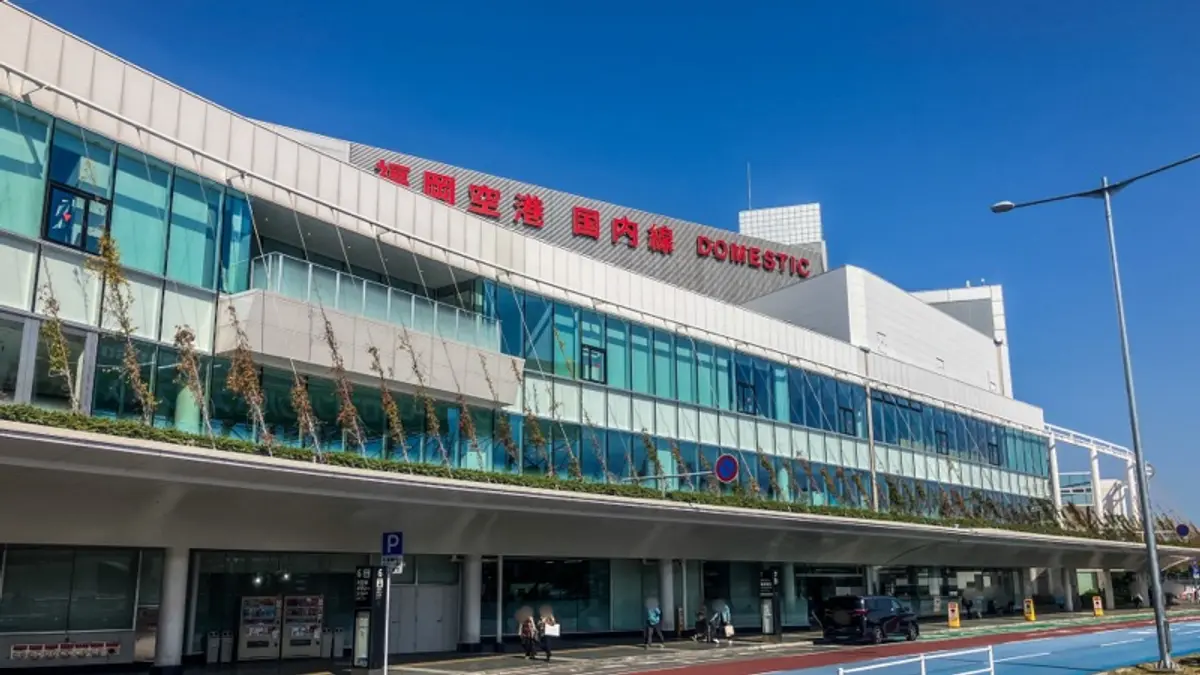
Fukuoka Airport (FUK) serves as a major international gateway for Western Japan, welcoming visitors from across Asia. Unlike the major airports in Tokyo and Kansai, Fukuoka Airport is exceptionally close to the city center, allowing travelers to reach central transit hubs in a remarkably short time without needing special limited express tickets.
Quick Answer
- To Hakata Station: Take the Fukuoka City Subway Airport Line directly from the domestic terminal, or catch a direct airport bus from either terminal.
- To Tenjin: Ride the Fukuoka City Subway Airport Line straight through Hakata to Tenjin Station without any train transfers.
- International Arrivals: Take the free airport shuttle bus from the international terminal to the domestic terminal to access the subway station.
Orientation: Choose Your Hub First
Before selecting a transit method, identify your destination district. Hakata Station serves as the city's primary rail and Shinkansen bullet train hub, while Tenjin is the bustling downtown commercial, shopping, and entertainment center. Because the subway line connects both hubs directly from the airport, navigation is remarkably straightforward compared to larger metropolitan airports.
Transport Options
Fukuoka City Subway (Airport Line)
The Fukuoka City Subway Airport Line is the overwhelmingly dominant and most efficient way into the city. It is a standard, ordinary-fare subway route requiring no reserved-seat tickets or special surcharges, meaning you can simply tap an IC card and board.
- Best for: Nearly all travelers heading to Hakata Station, Tenjin, or connecting points along the subway network.
- How to buy: Tap a national IC card at the automatic station gates, or purchase a single-ride paper ticket from the ticket vending machines.
- Watch out for: The subway station is directly connected to the domestic terminal. Travelers arriving on an international flight must take a short free shuttle bus from the international terminal to the domestic terminal first.
Airport Buses
Local city buses and dedicated airport shuttle buses operate from both the international and domestic terminals, running directly to major downtown hubs including Hakata and Tenjin.
- Best for: Travelers carrying heavy or bulky luggage who want to avoid navigating subway stairs, or those whose accommodations are located closer to a bus stop than a subway station.
- How to buy: Pay with a compatible IC card when boarding or leaving the bus, or purchase tickets at the terminal bus counters.
- Watch out for: Road traffic congestion can introduce unpredictable delays, making buses less reliable than the subway during peak commuting hours.
Taxis and Late-Night Travel
Taxis are readily available outside the designated taxi stands at both the international and domestic terminals. Because the airport is located very close to downtown, taxi fares are considerably lower than those from Narita, Haneda, or Kansai airports.
- Best for: Small groups sharing expenses, passengers with excessive baggage, or travelers arriving late at night after subway services have concluded.
- How to buy: Proceed to the official taxi queue outside the arrival lobby and board the next available vehicle.
- Watch out for: Taxis remain more expensive than public transit, and standard IC cards are generally not accepted for payment in most standard taxis.
Choosing by Destination
- Hakata Station: Take the subway directly from the domestic terminal, or catch a direct airport bus from either terminal.
- Tenjin: Stay on the same subway line straight through Hakata to reach Tenjin Station seamlessly.
- Nakasu-Kawabata: Use the subway line and transfer or exit at Nakasu-Kawabata if you are heading toward the riverside entertainment district.
Tickets and IC Cards
Nationally interoperable IC cards—such as SUGOCA (Kyushu's regional standard), Suica, PASMO, and ICOCA—work seamlessly for tap-and-ride travel on both the subway and local buses. Unlike Tokyo and Osaka airports, Fukuoka Airport requires no complex limited express tickets or reserved seat bookings; a simple IC card tap at the gate is all you need.
Practical Tips
- Luggage transfer: Coin lockers are available at Hakata and Tenjin stations, though larger sizes can fill up quickly during busy periods.
- Terminal transition: Allow extra time if you arrive at the international terminal, as you must account for the short free shuttle bus ride over to the domestic terminal before you can access the subway.
- Rush hour management: Commuter crowds can be heavy during morning and evening peaks, so prepare to manage your personal belongings carefully if traveling with large suitcases on the subway.
Frequently Asked Questions
Do I need to reserve a train seat in advance? No. The Fukuoka City Subway is an ordinary commuter line with unreserved seating. You do not need any special ticket reservations and can simply tap your IC card to ride.
How do I get to the subway if I arrive on an international flight? International flights arrive at the international terminal, which does not have a direct subway station. You must take the free airport shuttle bus to the domestic terminal to access the subway entrance.
Can I use my Suica or PASMO card here? Yes. Major Japanese IC cards like Suica, PASMO, ICOCA, and SUGOCA are fully compatible and can be used for tap-and-ride access on both the subway and buses.
Which is better for reaching Hakata: the subway or the bus? The subway is generally the faster, more reliable option because it bypasses all street traffic, though buses are useful if you want a direct ride without changing terminals from the international arrival area.
How long does it take to reach the city center? Fukuoka Airport's unique proximity to downtown means the journey to Hakata and Tenjin is exceptionally brief compared to other major Japanese airports.