Tokyo to Northern Kanto: Choosing the Right Train for Gunma, Tochigi and Ibaraki
September 13, 2026
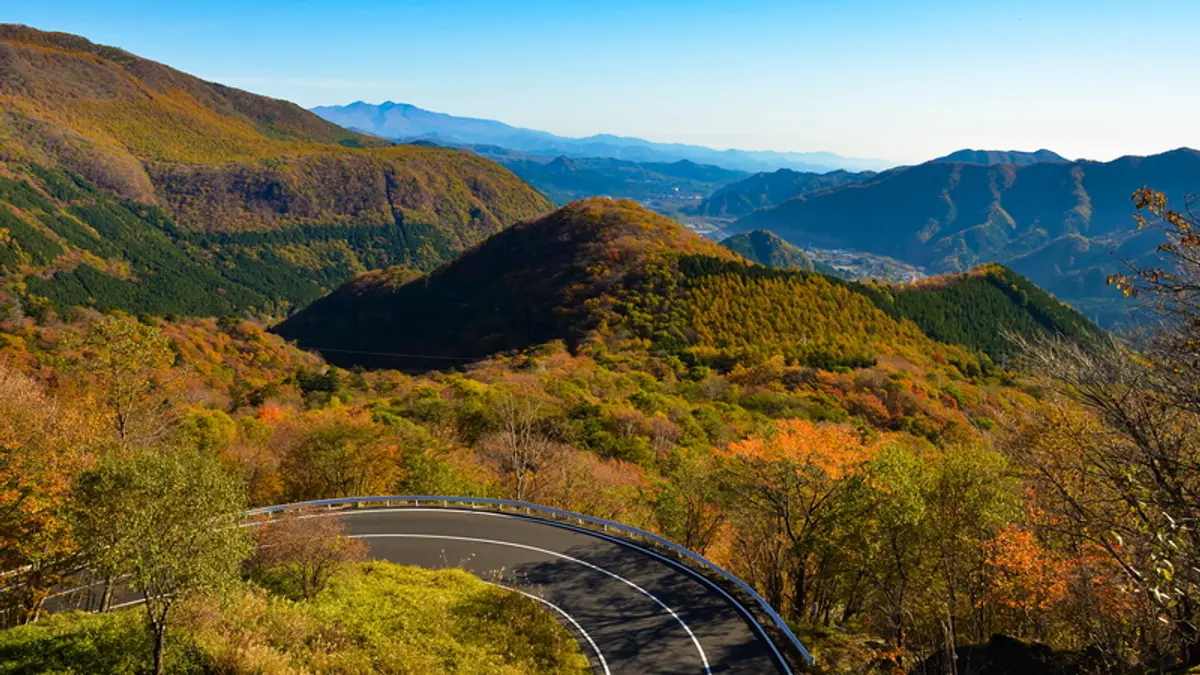
Traveling from Tokyo to the Kita-Kanto (Northern Kanto) region—comprising Ibaraki, Tochigi, and Gunma prefectures—offers a straightforward escape into rich cultural history, mountain landscapes, and famous hot spring towns just north of the capital. Because the region features a mix of high-speed Shinkansen trunk lines, private railways, and regional express trains, choosing the right route depends entirely on your specific destination.
Quick Answer
- Utsunomiya: Take the Tohoku Shinkansen for a fast, direct ride, or use the Ueno-Tokyo Line or Shonan-Shinjuku Line for a slower, ordinary-fare alternative.
- Nikko: Choose between a direct through limited express from Shinjuku, a premium Tobu limited express from Asakusa, a Shinkansen-plus-local connection via Utsunomiya, or a direct highway bus.
- Takasaki: Ride the Joetsu or Hokuriku Shinkansen directly from Tokyo Station for a fast journey into Gunma's major transit hub.
- Kusatsu Onsen: Board a direct limited express train to Naganoharakusatsuguchi Station followed by a short bus, or take a direct highway bus from central Tokyo.
- Mito: Take the JR Joban Line's Hitachi or Tokiwa limited express directly from central Tokyo, as Ibaraki lacks Shinkansen service.
Orientation: The Northern Kanto Network
Northern Kanto is connected to Tokyo through distinct transit corridors. Western and northern destinations like Takasaki and Utsunomiya benefit from Shinkansen bullet trains. Meanwhile, Nikko relies heavily on private railway networks and specialized limited expresses departing from different Tokyo hubs like Asakusa or Shinjuku. Further east, Ibaraki's capital Mito depends on a dedicated coastal limited express line rather than bullet trains. Understanding which station in Tokyo serves your chosen route is essential for a smooth departure.
Transport Options and Destinations
Utsunomiya (Tochigi Prefecture)
Utsunomiya is Tochigi's capital and sits directly along the Tohoku Shinkansen trunk line, offering a very short and efficient ride from Tokyo Station. Alternatively, ordinary through-services like the Ueno-Tokyo Line and Shonan-Shinjuku Line run directly to Utsunomiya from central Tokyo without requiring a reserved-seat ticket.
- Best for: Travelers seeking a quick business or leisure trip to Utsunomiya using either high-speed rail or a budget-friendly ordinary commuter line.
- How to buy: Purchase Shinkansen tickets via JR ticket machines, counters, or digital apps. For ordinary lines, simply tap a compatible IC card at the automatic gates.
- Watch out for: Ordinary through-trains take significantly longer than the Shinkansen, so check your schedule before boarding.
Nikko (UNESCO World Heritage Shrine Complex)
Nikko is the region's most popular destination for international visitors. It is served by two nearby stations with similar names—JR Nikko Station and Tobu-Nikko Station—located close together but operated by different networks.
- Best for: Travelers visiting Nikko Toshogu Shrine who want to select the best balance of speed, cost, and departure station across several available routes.
- How to buy: Book limited express tickets online or at station counters. Ordinary regional fares can be paid via IC card or standard paper tickets.
- Watch out for: The JR Nikko Line connection via Utsunomiya runs infrequently, meaning transfer timing requires careful planning if you choose that route.
Takasaki (Gunma Shinkansen Hub)
Takasaki serves as the primary gateway to Gunma Prefecture, positioned directly on both the Joetsu Shinkansen and Hokuriku Shinkansen routes from Tokyo Station.
- Best for: Visitors heading straight into Gunma's central commercial hub or transferring onward to regional mountain lines.
- How to buy: Secure Shinkansen tickets through official JR reservation platforms, ticket kiosks, or staffed counters.
- Watch out for: Ensure you board the correct train, as trains splitting toward Niigata or Kanazawa both stop at Takasaki.
Kusatsu Onsen (Hot Spring Town)
Kusatsu Onsen is one of Japan's most famous hot spring destinations. It is most comfortably reached via a direct limited express train from Tokyo or Ueno to Naganoharakusatsuguchi Station, where a short local bus completes the journey to the onsen town. Alternatively, a direct highway bus connects central Tokyo to the area without any train transfers.
- Best for: Vacationers heading to a traditional hot spring retreat who want to avoid multiple train transfers.
- How to buy: Purchase limited express and bus tickets in advance online or at station reservation counters.
- Watch out for: Local bus connections from the rail station to the hot spring town fill up quickly when limited express trains arrive, so move promptly to the bus bay.
Mito (Ibaraki Prefecture)
Mito is the capital of Ibaraki Prefecture. Because Ibaraki has no Shinkansen service, the transit backbone here is the JR Joban Line's limited express services—the faster Hitachi trains and the slightly slower Tokiwa trains—which run directly from Tokyo, Ueno, or Shinagawa straight to Mito and beyond.
- Best for: Travelers visiting Ibaraki who want a fast, direct rail journey along the eastern coast corridor.
- How to buy: Purchase limited express seat tickets alongside your base fare at JR stations or via online reservation systems.
- Watch out for: Ensure you board a limited express rather than a local commuter train, as local trains make a large number of stops and take much longer.
Choosing by Destination
- Utsunomiya: Choose the Shinkansen for speed or the Ueno-Tokyo/Shonan-Shinjuku lines for an ordinary-fare ride.
- Nikko: Select a direct through limited express from Shinjuku, a Tobu SPACIA service from Asakusa, a Shinkansen connection via Utsunomiya, or a direct highway bus depending on your starting point in Tokyo.
- Takasaki: Take the Joetsu or Hokuriku Shinkansen directly from Tokyo Station.
- Kusatsu Onsen: Ride a direct limited express to Naganoharakusatsuguchi followed by a local bus, or take a direct highway bus from Tokyo.
- Mito: Board the JR Joban Line limited express from central Tokyo for direct access to Ibaraki.
Practical Tips
- Tokyo departure stations vary: Unlike destinations served exclusively by Tokyo Station, routes to Nikko originate from Asakusa (Tobu) or Shinjuku (JR/Tobu through-services), so verify your departure terminal carefully.
- Station distinction in Nikko: Remember that JR Nikko Station and Tobu-Nikko Station are separate facilities; note which one your chosen train arrives at.
- Luggage space: Limited express trains and Shinkansen services feature overhead storage, but large luggage may require advance planning during peak holiday travel periods.
Frequently Asked Questions
Can I use a Shinkansen to reach Mito in Ibaraki Prefecture? No. Ibaraki has no Shinkansen service. Travel to Mito relies on the JR Joban Line's limited express trains running from central Tokyo.
Which Tokyo station departs for Nikko? Nikko services depart from multiple locations depending on the operator: Tobu trains leave from Asakusa, while direct limited express trains can be boarded at Shinjuku.
Do I need to change trains to reach Kusatsu Onsen by rail? A direct limited express runs from Tokyo and Ueno straight to Naganoharakusatsuguchi Station, where you only need to step onto a connecting local bus to reach the hot spring town.
Are there unreserved seating options on Northern Kanto Shinkansen lines? Yes, services operating to Utsunomiya and Takasaki generally offer unreserved car options, though checking specific train configurations in advance is always recommended.
What is the difference between JR Nikko Station and Tobu-Nikko Station? They are separate station buildings managed by different railway companies located very close to each other, serving different inbound routes from Tokyo.