Tokyo to Koshinetsu: Trains to Yamanashi, Nagano and Niigata
September 13, 2026
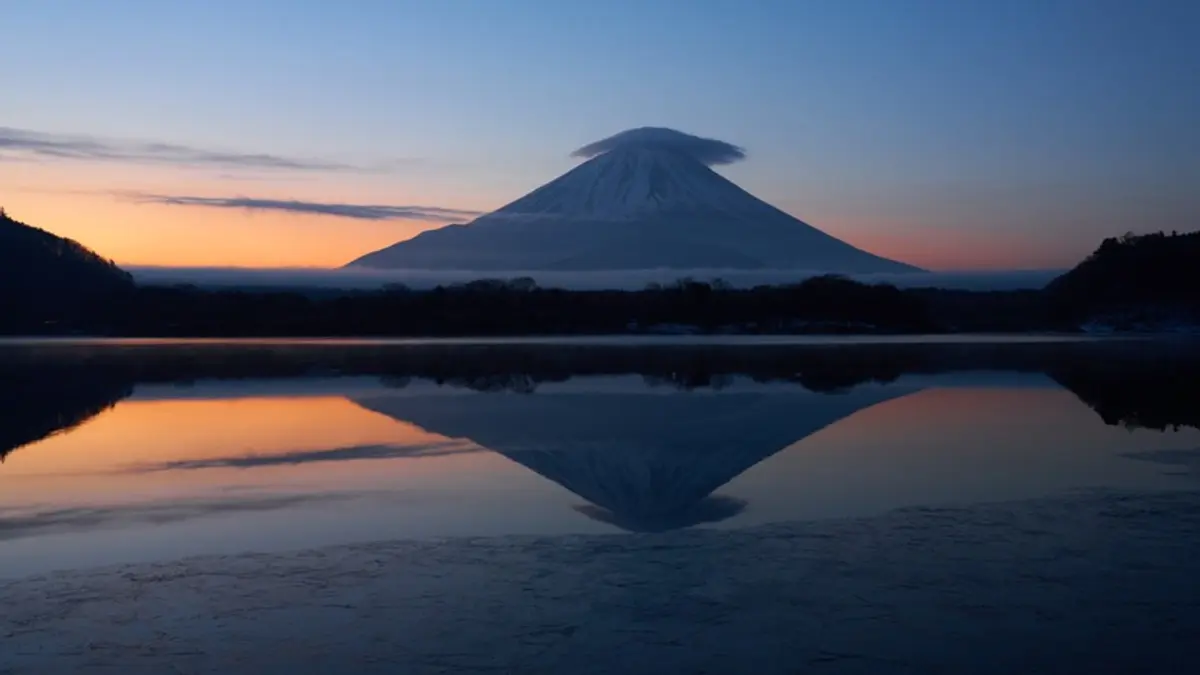
Traveling from Tokyo to the Koshinetsu region—encompassing Niigata, Nagano, and Yamanashi prefectures—leads visitors through alpine mountain ranges, coastal plains, and premier sightseeing destinations west and north of the capital. Because the region relies on a combination of high-speed Shinkansen bullet trains, trunk limited express lines, and direct highway buses, choosing the right route depends on your specific destination.
Quick Answer
- Niigata: Take the Joetsu Shinkansen Toki directly from Tokyo Station to its northern terminus.
- Nagano: Board the Hokuriku Shinkansen from Tokyo, choosing between the fast, fully reserved Kagayaki, the intermediate Hakutaka, or the flexible Asama.
- Kofu: Ride either the dedicated Kaiji or the longer-distance Azusa limited express directly from Shinjuku Station for a flat-rate trip.
- Kawaguchiko and Fuji Five Lakes: Take a direct highway bus from Shinjuku, or book a direct Fuji Excursion limited express train.
Orientation: The Koshinetsu Network
Koshinetsu is accessed via distinct travel corridors radiating from central Tokyo. Northern routes toward Nagano and Niigata utilize high-speed Shinkansen networks departing from Tokyo and Ueno stations. Western routes crossing into Yamanashi Prefecture toward Kofu and the Fuji Five Lakes rely on the JR Chuo Line corridor or highway bus networks operating out of Shinjuku. Identifying whether your trip requires a high-speed bullet train or a regional limited express is the first step in planning.
Transport Options and Destinations
Niigata (Niigata Prefecture)
Niigata is the coastal capital of Niigata Prefecture, reached directly from Tokyo via the Joetsu Shinkansen (Toki service) with no transfers required. This route travels along the same initial track corridor shared with regional destinations before terminating on the Sea of Japan coast.
- Best for: Travelers seeking a fast, direct bullet-train journey straight to the northern terminus of the Joetsu Shinkansen.
- How to buy: Purchase Shinkansen tickets online via official JR reservation platforms, at station ticket kiosks, or through staffed ticket counters.
- Watch out for: Verify your boarding time and platform carefully at Tokyo Station, as services run frequently but demand can spike during seasonal travel periods.
Nagano (Nagano Prefecture)
Nagano is the capital of Nagano Prefecture, serving as the main gateway to the Japanese Alps and Zenko-ji Temple via the Hokuriku Shinkansen. Services on this line include the Kagayaki, a fast fully reserved-seat train with no unreserved cars; the Hakutaka, an intermediate service carrying unreserved cars that serves as a useful fallback during daytime gaps in the Kagayaki schedule; and the Asama, which generally terminates at Nagano and carries unreserved cars. Karuizawa serves as a popular resort town stopover along this same route for travelers with extra time.
- Best for: Visitors heading to Nagano or wishing to stop over at mountain resort towns along the Hokuriku corridor.
- How to buy: Secure Shinkansen tickets in advance online, at station kiosks, or at ticket windows.
- Watch out for: The Kagayaki requires an advance seat reservation, so you cannot board it with a simple unreserved ticket.
Kofu (Yamanashi Prefecture)
Kofu is the capital of Yamanashi Prefecture, easily accessed from Shinjuku Station via the JR Chuo Line limited express network. Both the Kaiji and the Azusa provide direct service to Kofu with no transfers required, sharing fully reserved-seat, no-unreserved-car, and flat-year-round-fare characteristics. While Kaiji is dedicated to Yamanashi destinations, Azusa is a longer-distance service continuing on to Matsumoto and Nagano-area destinations that also conveniently stops at Kofu, often making fewer intermediate stops and offering a faster option for this specific segment.
- Best for: Travelers taking a dedicated trip to Kofu who want a direct limited express ride with straightforward fare pricing.
- How to buy: Purchase limited express seat tickets alongside your base fare online, at station machines, or at ticket counters.
- Watch out for: Ensure you book a compatible Chuo Line limited express, as unreserved cars are absent on these specific services.
Kawaguchiko and Fuji Five Lakes (Yamanashi Prefecture)
Reaching the popular Fuji Five Lakes region from Tokyo involves two primary methods. A direct highway bus runs straight from Shinjuku (Busta Shinjuku) to Kawaguchiko Station without transfers, offering widespread convenience despite potential road traffic delays. Alternatively, the Fuji Excursion limited express train runs directly from Shinjuku to Kawaguchiko without transfers, coupling with a Kofu-bound Kaiji train before splitting off at Otsuki.
- Best for: International visitors looking for either a simple, direct highway bus ride or a punctual, rail-based journey directly to Mount Fuji views.
- How to buy: Book highway bus seats or Fuji Excursion train tickets well in advance through online booking portals.
- Watch out for: The Fuji Excursion has limited daily departures and popular weekend slots sell out extremely quickly.
Choosing by Destination
- Niigata: Take the direct Joetsu Shinkansen Toki service for fast coastal travel.
- Nagano: Ride the Hokuriku Shinkansen, choosing the Kagayaki for speed, the Hakutaka as a flexible daytime fallback, or the Asama for standard seating options.
- Kofu: Board either the dedicated Kaiji or the longer-distance Azusa Chuo Line limited express from Shinjuku for a flat-rate direct ride.
- Kawaguchiko: Choose between a direct highway bus from Shinjuku or the direct Fuji Excursion train depending on your schedule.
Practical Tips
- Departure hub separation: Shinkansen services for Niigata and Nagano depart from Tokyo and Ueno stations, whereas Chuo Line services for Kofu and Kawaguchiko depart from Shinjuku Station.
- Advance booking importance: Fully reserved limited express trains like the Fuji Excursion, Kaiji, and Azusa, as well as high-speed Shinkansen services like the Kagayaki, require early reservations during peak seasons.
- Highway traffic awareness: While highway buses to Kawaguchiko are direct and convenient, weekend and holiday traffic congestion along expressway routes can impact arrival times.
Frequently Asked Questions
Is there a direct train from Tokyo to Niigata? Yes. The Joetsu Shinkansen (Toki) runs directly from Tokyo Station to Niigata without any transfers.
What are the differences among the Hokuriku Shinkansen services to Nagano? The Kagayaki is the fastest service and is fully reserved-seat only, the Hakutaka provides an intermediate option with unreserved cars that helps fill daytime schedule gaps, and the Asama makes more stops, terminates at Nagano, and includes unreserved cars.
Do I need to transfer trains to reach Kawaguchiko using the rail network? No, if you book the direct Fuji Excursion limited express from Shinjuku, you stay on the same train the entire way as it splits from the main Chuo Line at Otsuki.
Are highway bus tickets required in advance for Kawaguchiko? Yes, booking highway bus tickets from Shinjuku ahead of time is strongly recommended due to high demand among travelers.
Does Kofu have Shinkansen service? No. Kofu is reached from Shinjuku using the JR Chuo Line limited express network—via either the Yamanashi-dedicated Kaiji or the longer-distance Azusa—rather than bullet trains.