Kakunodate — Samurai Streets in Tohoku’s Little Kyoto
October 15, 2026
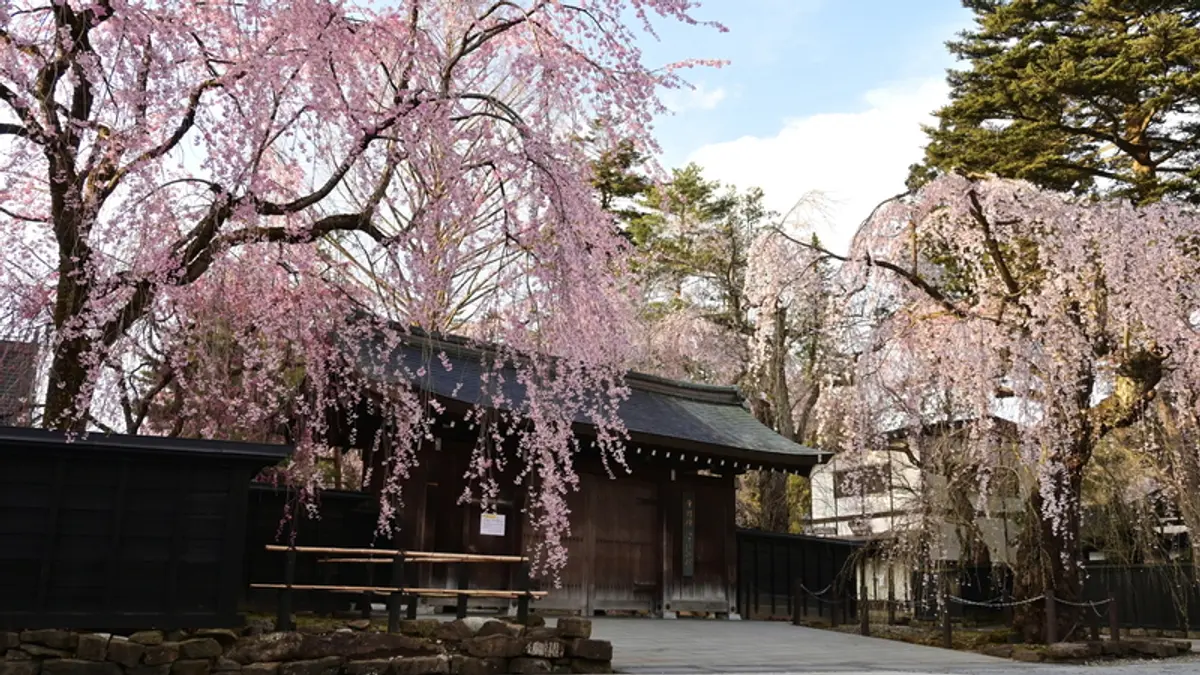
Discover a beautifully preserved castle town where samurai history, weeping cherry trees, and traditional craftsmanship come together.
A Little Kyoto in Northern Japan
Kakunodate, in Akita Prefecture, is often called the Little Kyoto of Tohoku. Its historic samurai district is known for broad streets lined with dark wooden fences, traditional residences, and graceful weeping cherry trees.
Unlike the busy streets of Kyoto, Kakunodate offers a quieter setting in which to explore the history of a northern Japanese castle town. Much of the old town can be enjoyed on foot, making it a rewarding stop for travelers interested in architecture, history, and seasonal scenery.
A Castle Town Shaped by the Samurai
Kakunodate's planned castle town took shape in 1620 under the Ashina family. In 1656, the Kita branch of the Satake family took control of the area. The town developed distinct samurai and merchant districts, reflecting the social organization of the Edo period.
The samurai district, known as Uchimachi, preserves a particularly striking historic streetscape. Its long fences and spacious residential plots offer a sense of how high-ranking warrior families lived. The district was designated an Important Preservation District for Groups of Traditional Buildings in 1976.
Walking Among the Samurai Residences
The best way to experience Kakunodate is to walk slowly through its samurai district. Behind the dark fences are historic houses, gardens, and trees that change character with the seasons.
The Ishiguro Residence is one of the district's notable historic homes. Descendants of the family still occupy part of the property, while designated areas are open to visitors. The Aoyagi Residence is another well-known stop, offering a closer look at the buildings and objects associated with samurai life.
Even without entering every residence, the streets themselves are a major attraction. Their scale, traditional materials, and relative calm distinguish Kakunodate from many larger sightseeing destinations.
Cherry Blossoms and a Connection to Kyoto
Kakunodate is especially famous for its weeping cherry trees. In spring, pale pink blossoms hang above the black fences of the samurai district, creating the scene most closely associated with the town.
There is also a historical connection to Kyoto. The Kita branch of the Satake family had marriage ties with the aristocratic Sanjonishi family. According to local tradition, weeping cherry trees were brought to Kakunodate through this connection. The story is part of the town's cultural heritage, although it should not be treated as a fully established historical fact.
For another cherry blossom experience, visitors can walk along the Hinokinai River, where rows of trees create a different, more open landscape. Autumn is also attractive, when foliage adds color to the historic streets.
Kabazaiku — Kakunodate’s Traditional Craft
Kakunodate is known for kabazaiku, a traditional craft that uses the bark of mountain cherry trees. Artisans shape and polish the bark to decorate objects such as tea canisters and small boxes, bringing out its distinctive color and texture.
The Kakunodate Kabazaiku Denshokan introduces visitors to this local craft tradition. It is a useful stop for understanding how the town's cultural identity extends beyond its samurai residences and cherry blossoms.
Planning a Visit to Kakunodate
Kakunodate Station is served by the Akita Shinkansen and conventional railway services. The samurai district is approximately a 20–25-minute walk from the station, making it straightforward to explore without a car.
Allow at least two hours for a walk through the historic streets; half a day is more comfortable if you plan to enter residences or visit the craft museum. Cherry blossom season is especially popular and can be crowded. For a quieter visit, consider autumn or another time outside the peak spring season.
Kakunodate rewards an unhurried pace. Its appeal lies not in a long checklist of sights, but in the atmosphere created by samurai architecture, seasonal trees, and the traditions of a small northern town.
Getting to Kakunodate
| From | Method | Transfers | Notes |
|---|---|---|---|
| Tokyo | Train Akita Shinkansen Komachi | 0 | Direct Komachi service; no passenger transfer. |
| Morioka | Train Akita Shinkansen Komachi Speed | 0 | Direct Komachi service; no passenger transfer. |
| Morioka | Train JR Tazawako Line (local train) | 0 | Direct local trains may be limited; check the timetable before travel. |
| Akita | Train Akita Shinkansen Komachi Speed | 0 | The train reverses direction at Omagari; passengers stay on board. |
| Akita | Train JR Ou Main Line + JR Tazawako Line | 1 | Change trains once at Omagari. |
Check the railway operator’s official information for current journey times and fares.