How to Get from Kansai Airport to Osaka, Kyoto, and Kobe
September 12, 2026
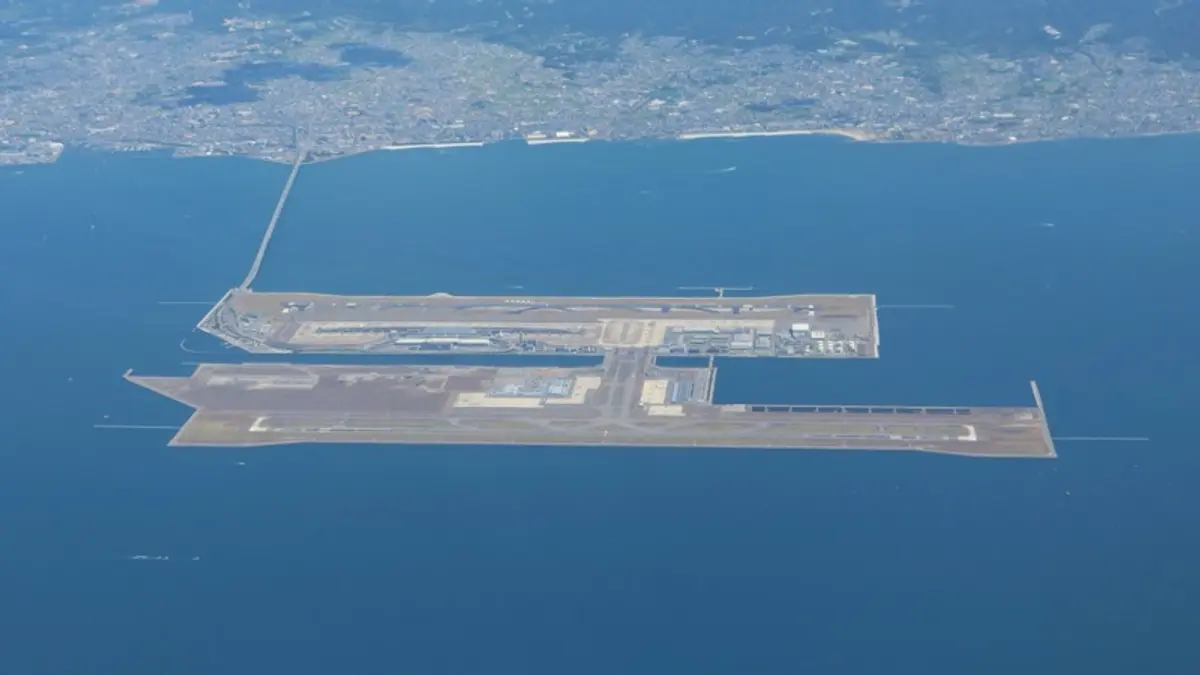
Kansai International Airport (KIX) is built on an offshore artificial island and serves as the primary international gateway for Western Japan, including Osaka, Kyoto, and Kobe. Similar to Narita Airport, Kansai Airport's fastest train connections require a limited express ticket in addition to the base fare rather than a simple IC card tap at the gate, though unreserved ordinary-fare trains and buses are also readily available.
Quick Answer
- To Namba (Central Osaka): Take the Nankai Rapi:t limited express for the fastest direct journey, or the Nankai Airport Express for a budget-friendly, unreserved alternative.
- To Shin-Osaka: Take the JR Haruka limited express directly to Shin-Osaka Station, which is also the transfer point for Shinkansen bullet trains.
- To Kyoto: Take the JR Haruka limited express directly to Kyoto Station without any train transfers.
- To Kobe: Take the high-speed Bay Shuttle ferry across the bay to Kobe Airport, or take a direct Airport Limousine Bus straight into central Kobe.
Orientation: Choose Your Hub First
Before selecting a transit method, determine which major hub your destination belongs to. Central Osaka has two primary rail centers: Namba (served by Nankai trains) and the Umeda/Osaka Station area (served by JR trains). If you are heading onward to Kyoto or connecting to the Shinkansen bullet train at Shin-Osaka, a JR route is generally most efficient. For Kobe across the bay, maritime or bus connections replace direct railway lines from the airport.
Transport Options
JR Haruka (Limited Express)
The JR Haruka is the primary express train linking Kansai Airport directly to major hubs like Tennoji, Shin-Osaka, and Kyoto. It requires a limited express surcharge ticket in addition to the base fare, meaning you cannot simply tap through the gates with a standard IC card. However, it offers both reserved-seat cars and cheaper unreserved-seat cars, giving you the flexibility to choose.
- Best for: Travelers headed directly to Kyoto or Shin-Osaka, and anyone continuing onward by Shinkansen bullet train from Shin-Osaka Station.
- How to buy: Purchase a base fare ticket and a limited express ticket (specifying either reserved or unreserved seating) at JR ticket machines, counters, or via online reservation platforms before boarding.
- Watch out for: A standard IC card tap alone is not sufficient; riding the Haruka requires a limited express ticket beyond the base fare, and unreserved cars can fill up quickly during peak travel periods.
JR Kanku Kaisoku (Kansai Airport Rapid Service)
The Kanku Kaisoku is an ordinary-fare JR rapid train running from the airport toward Tennoji and the central Osaka Station area. It requires no seat reservation and operates on a standard commuter fare structure.
- Best for: Budget-conscious travelers heading toward the Osaka Station or Tennoji areas who prefer a no-frills, unreserved transit option.
- How to buy: Tap a regional IC card, such as ICOCA, Suica, or PASMO, directly at the automatic station ticket gates.
- Watch out for: These trains can become quite crowded during peak commuting hours, and luggage space is more limited compared to dedicated express trains.
Nankai Rapi:t (Limited Express)
The Nankai Rapi:t is a distinctively styled, high-speed limited express train operated by Nankai Electric Railway that connects the airport directly to Namba Station in central Osaka. Like the Haruka, it requires a limited express ticket, but unlike the Haruka, it features fully reserved seating with no unreserved option.
- Best for: Travelers whose final destination is Namba who want a fast, comfortable, and direct journey with guaranteed seating.
- How to buy: Purchase a limited express ticket and base fare ticket at Nankai station counters, ticket machines, or online.
- Watch out for: Seats are fully reserved, so you must board the specific train and car designated on your ticket.
Nankai Airport Express
The Nankai Airport Express is the unreserved, ordinary-fare counterpart to the Rapi:t, traveling the same general route to Namba with more frequent stops and a lower overall cost.
- Best for: Travelers looking for an economical, unreserved train ride directly into the Namba district.
- How to buy: Tap any compatible IC card at the Nankai station ticket barriers, or purchase a single-ride paper ticket from the vending machines.
- Watch out for: Because it makes more stops than the Rapi:t, the total travel time to Namba is longer, and trains can fill up with local commuters.
High-Speed Ferry (Bay Shuttle) and Buses for Kobe
Kobe is not served directly by a railway line originating from the airport. Instead, travelers heading to Kobe can use the high-speed Bay Shuttle ferry, which connects the airport island directly to Kobe Airport via a short maritime crossing, followed by a local transit connection into central Kobe. Alternatively, direct Airport Limousine Buses run from KIX straight into Kobe.
- Best for: Travelers visiting Kobe who want either the distinctive, fast maritime ferry crossing or the convenience of a direct, no-transfer highway bus.
- How to buy: Purchase ferry tickets at the airport terminal counter or online; bus tickets can be bought at airport ticket machines or counters.
- Watch out for: Ferry operations can occasionally be affected by severe weather conditions or high winds across the bay.
Airport Limousine Bus
A comprehensive network of direct highway buses connects Kansai Airport terminals directly with major hotels, transit hubs, and city centers across Osaka, Kyoto, Kobe, and Nara. Luggage is stored securely underneath the bus by staff.
- Best for: Passengers traveling with heavy or multiple suitcases, or those whose accommodations are located directly near a bus drop-off point.
- How to buy: Purchase tickets at the airport arrival lobby ticket machines or counters before heading out to the bus bays.
- Watch out for: Road traffic congestion on expressways can cause unpredictable delays during peak travel times.
Taxis and Late-Night Travel
Taxis are available outside the arrival terminals at all hours. Fixed-fare pricing is offered for trips into designated zones of major nearby cities. Because some train services conclude before midnight, taxis are a key backup for late-night flight arrivals or early departures.
- Best for: Small groups sharing expenses, passengers with excessive luggage, or travelers arriving after all rail and bus services have finished.
- How to buy: Proceed to the official airport taxi queue and request the appropriate zonal fixed fare from the dispatcher.
- Watch out for: Taxi travel is considerably more expensive than rail or bus options, and standard IC cards are generally not accepted for payment.
Choosing by Destination
- Namba (Central Osaka): Take the Nankai Rapi:t for a fast, comfortable reserved ride, or the Nankai Airport Express for an economical unreserved option.
- Shin-Osaka: Take the JR Haruka limited express directly to the station, providing seamless access to Shinkansen bullet trains.
- Kyoto: Take the JR Haruka limited express for a direct, transfer-free journey straight into Kyoto Station.
- Kobe: Take the high-speed Bay Shuttle ferry across the water or catch a direct Airport Limousine Bus.
Tickets and IC Cards
Regional IC cards, with ICOCA being the Kansai-native standard (fully compatible with Suica, PASMO, and other major Japanese cards), can be purchased at the airport and used for tap-and-ride travel on ordinary unreserved trains like the Kanku Kaisoku and Nankai Airport Express. However, limited express trains such as the JR Haruka and Nankai Rapi:t always require a separate limited express ticket in addition to your base fare, even if you manage portions of the payment digitally. IC cards are also accepted on many Airport Limousine Bus routes for direct boarding, though payment methods can occasionally vary by specific route. IC cards cannot be used for street-hailed taxis.
Practical Tips
- Luggage storage: Coin lockers are available at major train hubs like Kyoto, Shin-Osaka, and Namba, though large sizes fill up quickly during peak tourist seasons.
- Transfer navigation: Stations like Osaka and Shin-Osaka are massive; follow overhead signs carefully and allow extra time if connecting to local subway lines.
- Rush hour avoidance: Try to avoid boarding commuter rapid trains with oversized luggage during the morning and evening rush hours when local trains experience heavy crowding.
Frequently Asked Questions
Do I need to reserve a train seat in advance? It depends on the train. Limited express trains like the JR Haruka and Nankai Rapi:t require a limited express ticket in addition to your base fare. For the Haruka, you can choose either a reserved-seat ticket or a cheaper unreserved-seat option (though unreserved cars can fill up during busy times). The Nankai Rapi:t requires a reserved seat with no unreserved option. Ordinary rapid and express trains do not require reservations.
Which train should I take to get to Kyoto? The JR Haruka limited express is the most convenient choice, taking you directly from Kansai Airport to Kyoto Station without any train transfers.
Can I use my Suica or PASMO card on the trains? Yes. Compatible IC cards can be used for tap-and-ride access on unreserved ordinary trains. For limited express trains, you still need a separate limited express ticket even if you use an app or digital card.
How do I travel to Kobe from the airport? Since no direct train line runs from the airport to Kobe, you can take the high-speed Bay Shuttle ferry across the bay to Kobe Airport or ride a direct Airport Limousine Bus.
What should I do if my flight arrives after the trains stop? If you miss the final train departures for the night, you can take a fixed-fare taxi from the official airport taxi stand directly to your destination city.