Traveling West from Shin-Osaka: The San'yo and San'in Regions
September 13, 2026
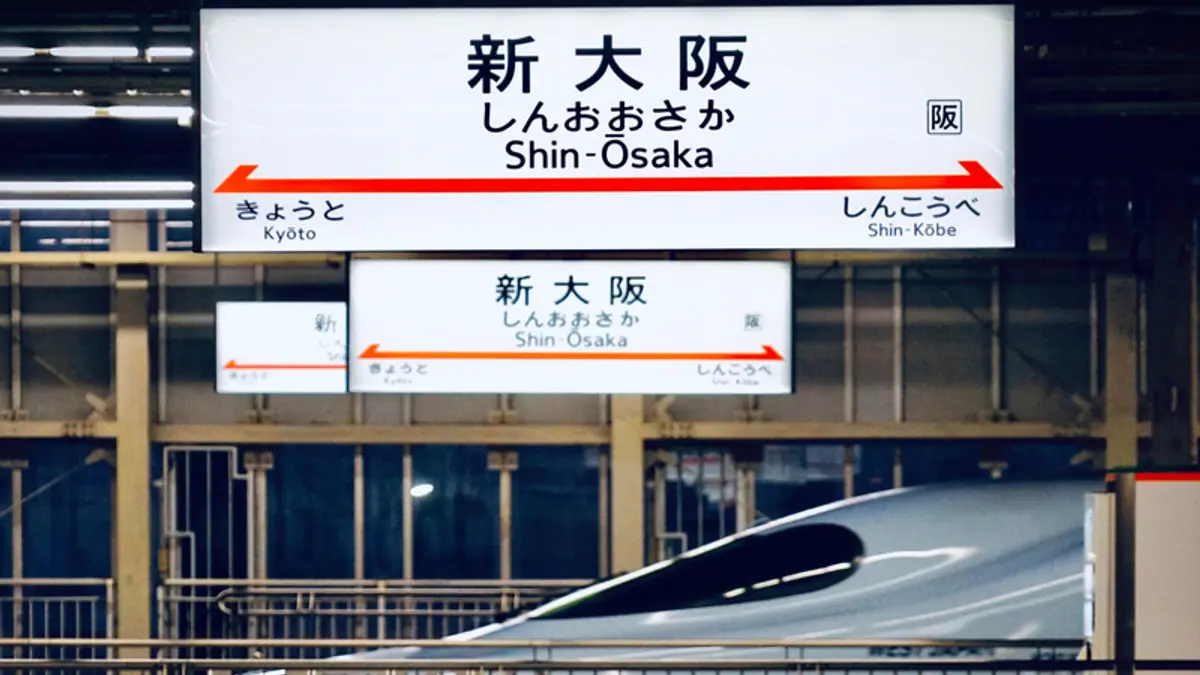
Departing westward from Shin-Osaka Station brings travelers face-to-face with a sharp structural divide in western Japan's railway network. Destinations along the southern San'yo corridor—facing the Seto Inland Sea—benefit from direct, high-speed Shinkansen bullet train service. In contrast, destinations across the northern San'in region have no Shinkansen access at all. Tottori is reached by the limited express Super Hakuto, which runs from the Osaka area without a change of train, while Matsue and Izumo are reached by changing at Okayama to the limited express Yakumo.
Quick Answer
- Okayama: Take the Sanyo Shinkansen directly from Shin-Osaka with no transfers (about 45 minutes).
- Hiroshima: Board the Sanyo Shinkansen directly from Shin-Osaka on frequent high-speed services (about 1 hour 25 minutes by Nozomi).
- Tottori: Ride the limited express Super Hakuto. Two morning trains leave from Shin-Osaka itself; the others start at Osaka Station, one stop away. If time matters more than price, take the Shinkansen to Himeji and board the Super Hakuto there.
- Izumo and Matsue: Take the Sanyo Shinkansen to Okayama, then transfer to the limited express Yakumo.
Typical Times and Fares
One-way adult fares from Shin-Osaka for travel on 29 October 2026, from searches on JR-West's Timetable & Route Finder. Each total is the basic fare plus the Shinkansen or limited express charge. Reserved-seat charges are shown at the price for that date and may differ on peak and off-peak dates.
| To | Route | Time | Total fare |
|---|---|---|---|
| Okayama | Nozomi, reserved seat | 44–48 min | ¥6,460 |
| Okayama | Nozomi or Sakura, non-reserved seat | 44–50 min | ¥5,610 |
| Hiroshima | Nozomi, reserved seat | 1 h 25 min | ¥10,950 |
| Hiroshima | Nozomi or Sakura, non-reserved seat | 1 h 25–1 h 31 min | ¥9,890 |
| Tottori | Super Hakuto direct from Shin-Osaka (7:31 and 9:15 only) | 2 h 41–2 h 43 min | ¥7,520 |
| Tottori | Local train to Osaka, then Super Hakuto | 2 h 46 min | ¥7,520 |
| Tottori | Shinkansen to Himeji, then Super Hakuto | 2 h 12–2 h 16 min | ¥9,130 |
| Tottori | Shinkansen to Okayama, then Super Inaba | 2 h 44–2 h 51 min | ¥11,860 |
| Matsue | Shinkansen to Okayama, then Yakumo | 3 h 31–3 h 32 min | ¥12,490 |
| Izumoshi | Shinkansen to Okayama, then Yakumo | 3 h 58 min–4 h 02 min | ¥12,930 |
The times for routes with a change are for the connections the search returned, which allowed 8–12 minutes at Himeji or Okayama and 6–8 minutes at Osaka. The Super Hakuto, Super Inaba and Yakumo are fully reserved, so the totals for those routes include reserved seats on every train. For the Super Hakuto, Chizu Express publishes the same fare and charge in its fare table from Shin-Osaka (in Japanese).
Last checked: 22 October 2026, against JR-West's official Timetable & Route Finder and Chizu Express fare tables.
Orientation: San'yo versus San'in
The geography of western Honshu is split longitudinally by mountain ranges, creating two distinct travel environments. The San'yo corridor runs along the southern coast and is served seamlessly by the high-speed Sanyo Shinkansen, allowing frequent services (Nozomi, Sakura, and Hikari) to connect Shin-Osaka directly to major cities like Okayama and Hiroshima. Conversely, the San'in region faces the Sea of Japan and remains entirely untouched by bullet train lines. Two different limited express routes cross the mountains. The Super Hakuto runs from Osaka through Himeji and over the Chizu Express to Tottori, so travelers to Tottori do not need to go as far west as Okayama. The Yakumo leaves Okayama on the Hakubi Line for Matsue and Izumoshi, so travelers to those cities take the Shinkansen to Okayama first.
Transport Options and Destinations
Okayama
Okayama sits on the Sanyo corridor and serves as the primary gateway for western Honshu. It is reached directly from Shin-Osaka via the Sanyo Shinkansen with no transfers required, utilizing frequent bullet train services. Beyond its own urban attractions, Okayama functions as the junction where travelers heading for Matsue and Izumo leave the Shinkansen network.
- Best for: Travelers seeking a fast, direct bullet-train trip to a major Seto Inland Sea hub and onward transfer station.
- How to buy: Book online through JR-WEST Online Train Reservation or SmartEX, or buy at reserved-seat ticket machines or staffed ticket counters.
- Watch out for: A Nozomi takes about 44–48 minutes; a Sakura that starts at Shin-Osaka takes a few minutes longer and its reserved seats cost a little less (¥6,140 in total). Non-reserved seats cost the same on either train.
Hiroshima
Hiroshima is a major destination further down the Sanyo Shinkansen line, reached via direct, high-speed bullet trains departing frequently from Shin-Osaka. Services such as the Nozomi and Sakura make this westward journey highly efficient without requiring any changes en route.
- Best for: Visitors wanting a smooth, uninterrupted high-speed rail journey straight to a major historical and cultural destination.
- How to buy: Secure reserved or non-reserved Shinkansen tickets in advance online or at station ticket machines.
- Watch out for: Check your specific train category, as stopping patterns vary between high-speed services and all-station Kodama trains. A Sakura takes a few minutes longer than a Nozomi; its reserved seats cost ¥10,420 in total.
Tottori
Tottori is located on the San'in coast and has no Shinkansen service. The most direct train is the limited express Super Hakuto, which runs from the Osaka area through Himeji and over the Chizu Express, a private railway, to Tottori without a change of train. In the timetable checked for this guide, it ran eight times a day toward Tottori, and some trains continued to Kurayoshi.
Only two morning trains, at 7:31 and 9:15, stop at Shin-Osaka; they start at Kyoto. The others start at Osaka Station, one stop from Shin-Osaka on the JR Kyoto Line (about 4 minutes), so from Shin-Osaka ride a local or rapid train to Osaka and board there. With a ticket from Shin-Osaka to Tottori, the total is the same ¥7,520.
If you would rather save time, take the Shinkansen from Shin-Osaka to Himeji and board the Super Hakuto there. This takes about 2 hours 15 minutes and costs ¥9,130, around 30 minutes faster and ¥1,610 more than riding the Super Hakuto all the way.
Going via Okayama on the limited express Super Inaba also works, but from Shin-Osaka it is slower and more expensive (about 2 hours 45–50 minutes, ¥11,860). It is mainly useful if you are already in Okayama or coming from further west. The Super Inaba ran six times a day from Okayama on the date checked and takes just under 2 hours to Tottori.
- Best for: Travelers heading to the San'in coast who want a single-seat ride from the Osaka area.
- How to buy: Book a ticket from Shin-Osaka to Tottori that includes a reserved seat on the Super Hakuto (and on the Shinkansen if you change at Himeji).
- Watch out for: Every seat on the Super Hakuto and Super Inaba is reserved, so book a seat before you board. For most of the day, Super Hakuto departures from Osaka are about two hours apart, so check the timetable for your travel date.
Izumo and Matsue
Izumo and Matsue anchor the western San'in region, famed for historic shrines and coastal landscapes. Like Tottori, these cities lack bullet train access. Travelers take the Shinkansen from Shin-Osaka to Okayama, then transfer to the limited express Yakumo, which climbs through mountainous terrain via the Hakubi Line to bridge the San'yo and San'in regions. On the date checked, the Yakumo left Okayama for Izumoshi about once an hour from 7:05 to 20:13, taking about 2 hours 35 minutes to Matsue and about 3 to 3¼ hours to Izumoshi.
- Best for: Visitors journeying deep into the San'in region via a mountain-crossing limited express train.
- How to buy: Book one ticket from Shin-Osaka to Matsue or Izumoshi that includes reserved seats on both the Shinkansen and the Yakumo.
- Watch out for: Every seat on the Yakumo is reserved, so book a seat before you board. Trains for Izumo stop at Izumoshi Station, not at Izumo Taisha shrine; the local Ichibata Railway serves Izumotaisha-mae Station.
Flying as an Alternative
For reaching the San'in destinations specifically, flying from Haneda Airport serves as a valid alternative worth comparing. ANA flies from Haneda to Tottori Airport and JAL from Haneda to Izumo Airport, each about five times a day in the winter 2026–27 timetables (ANA, in Japanese; JAL, in English), so travelers coming from Tokyo can fly directly into the region instead of making the long rail journey. Meanwhile, San'yo destinations like Okayama and Hiroshima remain exceptionally well served by direct Shinkansen lines.
Practical Tips
- Reserve the San'in leg: The Super Hakuto, Super Inaba and Yakumo are fully reserved trains, so book your seat before you travel.
- Allow time to change trains: The 8–12 minute connections in the table are examples from the timetable search, not a recommended margin. If you have heavy luggage or do not know the station, choose a later connecting train. Check your car and seat number before you step off the Shinkansen.
- IC cards: You cannot ride the Shinkansen by paying from an IC card's stored balance; JR-West says ICOCA cannot be used on Shinkansen trains. The exception is a ticketless booking such as SmartEX: the fare is charged to your credit card when you book, and you pass the Shinkansen gates with the IC card registered to the booking. For the limited express trains in this guide, buy a ticket that includes the express charge.
Frequently Asked Questions
Is there a Shinkansen line that goes to Tottori or Izumo? No. The Shinkansen network only serves the southern San'yo corridor (such as Okayama and Hiroshima). Tottori is reached by the Super Hakuto limited express, and Izumo by changing at Okayama to the Yakumo.
Do I need to change trains to reach Tottori from Shin-Osaka? Not if you take one of the two morning Super Hakuto trains that stop at Shin-Osaka (7:31 and 9:15). For the other departures, go one stop to Osaka Station and board the Super Hakuto there, or change from the Shinkansen at Himeji.
What kind of train is the Super Inaba to Tottori? It is a fully reserved limited express that runs from Okayama, using the Chizu Express, a private railway, for part of its route before rejoining JR tracks. From Shin-Osaka, the Super Hakuto is usually the simpler choice.
Updated 22 October 2026: Added the direct Super Hakuto route to Tottori, a table of typical times and fares, and the reserved-seat rules for the Super Hakuto, Super Inaba and Yakumo.