Sacred Sites, Coastal Scenery, Theme Parks and Ninja Heritage — Which Mie Is for You?
September 21, 2026
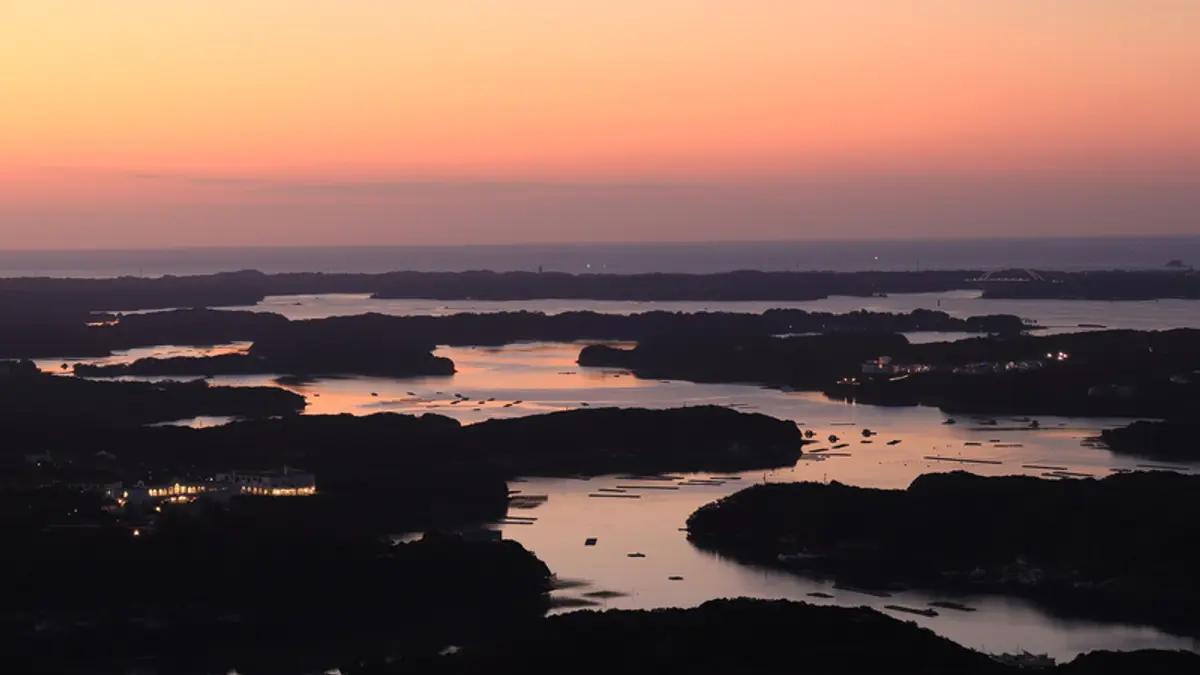
Mie is easier to understand as a collection of distinct travel areas than as a single sightseeing region. Ise, Toba and Shima form the prefecture's best-known cultural and coastal destination, while Tsu and Matsusaka add the history and everyday character of central Mie. Elsewhere, Iga offers a separate inland destination built around ninja and castle-town history, northern Mie combines major attractions, industry and motorsports, and the Kumano area leads into the pilgrimage routes and Pacific coast of the eastern Kii Peninsula.
For most visitors, the useful question is therefore not how to travel through Mie from one end to the other, but which part of the prefecture best matches the purpose of the trip. Ise-Shima and central Mie can be combined relatively naturally, while Iga, northern Mie and Kumano each work as destinations with quite different reasons to visit.
Ise — The Spiritual and Cultural Heart of Mie
Ise is the clearest starting point for travelers interested in Mie's best-known cultural heritage.
Ise Jingu, officially known simply as Jingu, consists of 125 shrines centered on Kotaijingu, or Naiku, and Toyo'ukedaijingu, or Geku. Naiku is dedicated to Amaterasu-Omikami, while Geku is dedicated to Toyo'uke-no-Omikami.
The experience extends beyond the main sanctuaries. At Naiku, visitors cross Ujibashi Bridge over the Isuzu River before entering the forested sacred precinct. Nearby, Oharaimachi and Okage Yokocho provide a very different atmosphere, with food, shops and traditional-style buildings making the area a natural place to spend time before or after visiting the shrine.
Ise therefore works best when treated as more than a single famous landmark. Choose it when Japanese religious culture, traditional streets and one of the country's most important Shinto sites are central to the trip.
Toba and Shima — The Maritime Side of Ise-Shima
Toba and Shima show why the wider Ise-Shima area is more than a cultural destination centered on Ise Jingu.
Toba is one of the easiest places to experience Mie's maritime character. Toba Aquarium houses approximately 1,200 species and is particularly known for its dugong. The area is also closely connected with seafood, pearl culture and ama, the traditional female divers who have long worked along the coast.
Shima is shaped by the deeply indented coastline of Ago Bay. Yokoyama View Point looks across a complex pattern of islands and sheltered water, while the bay is also strongly associated with cultured pearls.
Toba and Shima make sense for travelers who want to combine Ise's religious and cultural heritage with the sea. Together, Ise, Toba and Shima form one of the clearest multi-day destination areas in Mie.
Choose Toba and Shima for aquariums, seafood, pearl culture and the distinctive coastal scenery of Ise-Shima.
Tsu and Matsusaka — Central Mie, Local History and Food
Tsu and Matsusaka add another dimension to a trip focused on the central part of the prefecture.
Tsu is the prefectural capital and one of Mie's main urban centers. It is less dominated by a single sightseeing landmark than Ise, but MieMu, the Mie Prefectural Museum, provides a useful overview of the prefecture's natural environment, history and culture.
Matsusaka has a stronger connection with merchant and castle-town history. The stone walls of Matsusaka Castle remain above the old town, while surviving merchant houses and former samurai residences reflect the city's historical character. Matsusaka is also widely associated with Matsusaka beef.
Tsu and Matsusaka are useful choices for travelers who want to add regional history, museums, merchant culture and food to an Ise-centered trip, or who simply want to see a less tourism-focused side of central Mie.
Iga — A Separate Inland Destination
Iga is best understood as a destination of its own rather than as another stop within an Ise-Shima trip.
Located inland, the area has one of Mie's most distinctive historical identities. Iga is best known for its association with ninja traditions, and the Iga-ryu Ninja Museum in Ueno Park introduces this history through exhibits, historical materials and a ninja house.
The same area also contains Iga Ueno Castle. The present three-story keep was built in the twentieth century, while the earlier inner moat and high stone walls remain. Together, the castle, museum and surrounding town make Iga more than a single ninja-themed attraction.
Choose Iga when ninja heritage, castles and the atmosphere of a smaller historic city are the main reasons for visiting Mie. Its inland setting and historical focus give it a character quite different from Ise-Shima.
Nagashima, Yokkaichi and Suzuka — Northern Mie from the Nagoya Side
Northern Mie forms another distinct destination area, particularly for travelers approaching from Nagoya.
Nagashima Spa Land is a major amusement park near the Aichi border and forms part of the wider Nagashima Resort. It gives northern Mie a major leisure destination that can be the purpose of a trip in itself.
Yokkaichi represents the industrial side of the region. The city developed around one of Japan's major industrial ports, and Umi Terrace 14 in the Yokkaichi Port Building provides elevated views across the port and surrounding industrial landscape.
Suzuka adds motorsports to this mix. Suzuka Circuit hosts major racing events and makes the city a destination for travelers whose interests are very different from those visiting Ise Jingu or historic towns.
Choose northern Mie when theme parks, industrial landscapes or motorsports are the purpose of the trip. For many travelers based in Nagoya, Nagashima, Yokkaichi and Suzuka make more sense as a northern Mie trip than as stops on the way to Ise or Kumano.
Kumano and Eastern Kii Peninsula — A Journey into Southern Mie
Kumano and the eastern Kii Peninsula form the most remote of Mie's major destination areas and deserve to be treated as a journey in their own right.
The Kumano Kodo Iseji follows the eastern side of the Kii Peninsula toward the Kumano region. Sections of the old pilgrimage route retain stone paving and can be walked independently, allowing travelers to experience part of the historic route without attempting a long-distance trek.
Around Kumano City, the landscape opens onto the Pacific. Onigajo combines dramatic rock formations with the coastline, while nearby Shichiri Mihama stretches along the Kumano Sea. The Matsumoto-toge section of the Kumano Kodo retains extensive stone paving and offers views toward Shichiri Mihama.
The attraction of this part of Mie is not simply a collection of individual sights. Distance, mountain passes, pilgrimage history and the Pacific coast are all part of the experience.
Choose Kumano and the eastern Kii Peninsula when pilgrimage routes, coastal scenery and a slower regional journey are the main purpose of the trip.
How to Choose Your Mie Trip
For Mie's best-known combination of culture and coastal scenery, build the trip around Ise, Toba and Shima. Tsu and Matsusaka can add museums, merchant history, local food and a more everyday view of central Mie to the same general part of the prefecture.
Iga is a different choice. It works best when ninja heritage, castles and inland history are the main interests rather than as a necessary addition to an Ise-Shima itinerary.
Northern Mie is different again. Nagashima, Yokkaichi and Suzuka are particularly relevant to travelers approaching from Nagoya and offer theme parks, industrial scenery and motorsports rather than the religious and coastal themes of Ise-Shima.
Kumano and the eastern Kii Peninsula deserve a trip with more time. Choose this area when walking old pilgrimage routes, seeing the Pacific coast and traveling through a more remote part of Japan are central to the experience.
Mie therefore does not need to be understood as one continuous route. Ise-Shima and central Mie, Iga, northern Mie, and Kumano each offer a different kind of trip. Choosing the area that matches your interests is usually more useful than trying to connect the entire prefecture into one itinerary.
Where to stay
Planning to stay overnight? Find accommodation in: