Where to Go in the Sanyo Region: Himeji, Okayama and Hiroshima
September 24, 2026
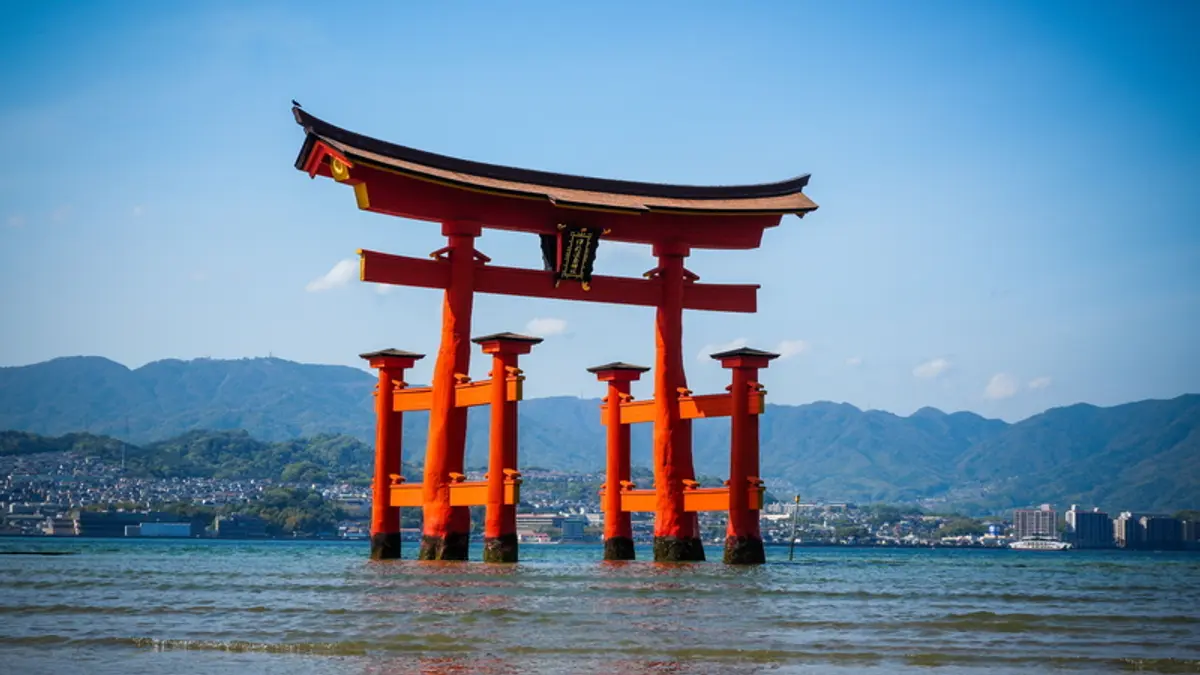
The Sanyo side of western Honshu is easy to cross quickly, but it is more useful to think of it as a series of places with different roles in a trip. The Sanyo Shinkansen forms a strong east-west spine through Himeji, Okayama, Fukuyama and Hiroshima. From those cities, local trains, buses and ferries lead to historic towns, islands and the mountains of the Chugoku region.
For planning, the useful question is not simply what to see, but where to stay, where to make a day trip, and where to stop on the way to the next part of the journey.
Himeji: a major stop, or a full day with Mt. Shosha
For travelers coming west from Osaka, Kobe or Kyoto, Himeji is a natural starting point. Himeji Castle is about a 15–20 minute walk from Himeji Station, so it can fit comfortably into a journey continuing toward Okayama or Hiroshima. (visit-himeji.com)
If you also visit Mt. Shosha and Engyoji Temple, the city deserves more time. Engyoji is reached by bus and ropeway from central Himeji, and the combination of castle and mountain temple turns Himeji from a convenient stop into a fuller sightseeing day. An overnight stay is optional rather than essential, but it becomes more reasonable if you want to explore at a slower pace. (visit-himeji.com)
Okayama and Kurashiki: base and side trip, or two different stays
Okayama is one of the most practical places to stay in the eastern Sanyo area. Okayama Korakuen Garden and Okayama Castle give the city its own sightseeing value, while the rail network makes it easy to continue to nearby destinations.
Kurashiki is the clearest example. The Bikan Historical Quarter is around a 10–15 minute walk from JR Kurashiki Station and has enough museums, shops and historic streets to fill much of a day. For many travelers, staying in Okayama and visiting Kurashiki from there keeps the itinerary simple. (okayama-japan.jp)
Kurashiki can also justify its own night. The historic quarter is illuminated in the evening, and staying locally gives you quieter morning and evening time without having to return to Okayama. The choice depends less on distance than on how much of the trip you want to give to the town itself. (okayama-japan.jp)
Inland Okayama: add a different landscape, not just another stop
The Sanyo rail corridor shows only the southern side of Okayama Prefecture. Bitchu Takahashi offers one of the easiest inland contrasts. Bitchu Matsuyama Castle stands high above the town, and reaching the castle requires an additional climb or local transport from the station area. (okayama-japan.jp)
For many itineraries, Bitchu Takahashi works as a focused outing from Okayama rather than a new overnight base. Farther north, the scale changes. The Hiruzen Highlands are more removed from the main Sanyo corridor, and reaching Hiruzen by public transport involves a much slower bus journey from the rail network. (okayama-japan.jp)
If northern Okayama is one of the main reasons for the trip, give it its own day and consider staying closer to the area instead of treating it as an extra between Okayama and Hiroshima.
Fukuyama, Tomonoura and Onomichi: small cities and port-town scenery
Fukuyama is useful both as a city on the Sanyo corridor and as the starting point for Tomonoura. The old port town is about 30 minutes by bus from Fukuyama Station. This makes it easy to stay in Fukuyama, visit Tomonoura and return, or to stop in the area before continuing west. (dive-hiroshima.com)
Tomonoura is worth more time if historic port-town scenery and a slower evening are part of the trip, but Fukuyama is usually the easier place for onward connections.
Onomichi is different again. Its hillside temples, narrow lanes and waterfront make it a destination in its own right, and Onomichi Station works well as the starting point for exploring the town. A day visit is possible, but an overnight stay gives more room for walking without watching the train timetable. (dive-hiroshima.com)
Onomichi is also where a journey can turn toward the islands of the Shimanami Kaido. If that is the next part of the trip, staying in Onomichi before setting out can be especially useful. (dive-hiroshima.com)
Hiroshima and Miyajima: the strongest western base
Hiroshima is the clearest place in this part of the journey to use as a major base. Hiroshima Peace Memorial Park, the Atomic Bomb Dome and the Peace Memorial Museum deserve time in their own right, and the city also makes it easy to continue to nearby destinations. (dive-hiroshima.com)
Miyajima is the classic example. From Hiroshima Station, JR trains run to Miyajimaguchi, followed by a ferry crossing of about 10 minutes. For many first-time visitors, this works naturally as a day trip while keeping the same hotel in Hiroshima. (dive-hiroshima.com)
Staying on Miyajima changes the experience rather than simply making the trip longer. The island’s official tourism information recommends an overnight stay for travelers who want the quieter morning and evening atmosphere. If Miyajima itself is one of the main purposes of the trip, moving the overnight stay to the island can therefore make sense. (dive-hiroshima.com)
Northern Hiroshima: give the mountains their own time
Hiroshima Prefecture extends well beyond the coast. The official regional guide separates inland areas such as Bihoku and Geihoku from Hiroshima City and Miyajima. (dive-hiroshima.com)
These places should not be treated as minor additions to a crowded city day. Sandankyo alone extends for about 16 kilometers, and trail or boat conditions can change with weather and water levels. (dive-hiroshima.com)
If forests, gorges and rural inland scenery are important to you, plan a separate day and check current transport and access conditions. Depending on how far north you go, an inland stay may be more useful than returning to Hiroshima every evening.
Building the trip
A short trip can stay close to the Sanyo spine: Himeji as a major stop, Okayama as an eastern base, and Hiroshima as a western base. Kurashiki, Tomonoura and Miyajima fit naturally as outings from those cities, while Onomichi can be either a stop or an overnight destination.
With more time, add one inland area rather than simply adding more cities along the same railway. Bitchu Takahashi is relatively easy to combine with Okayama, while northern Okayama and northern Hiroshima deserve more deliberate planning.
The railway makes western Honshu easy to cross. The more important decision is where to stop moving for a while.
Where to stay
Planning to stay overnight? Find accommodation in: