Where to Go in Shizuoka: Atami, Izu, Mt. Fuji, Shizuoka City and Hamamatsu
September 20, 2026
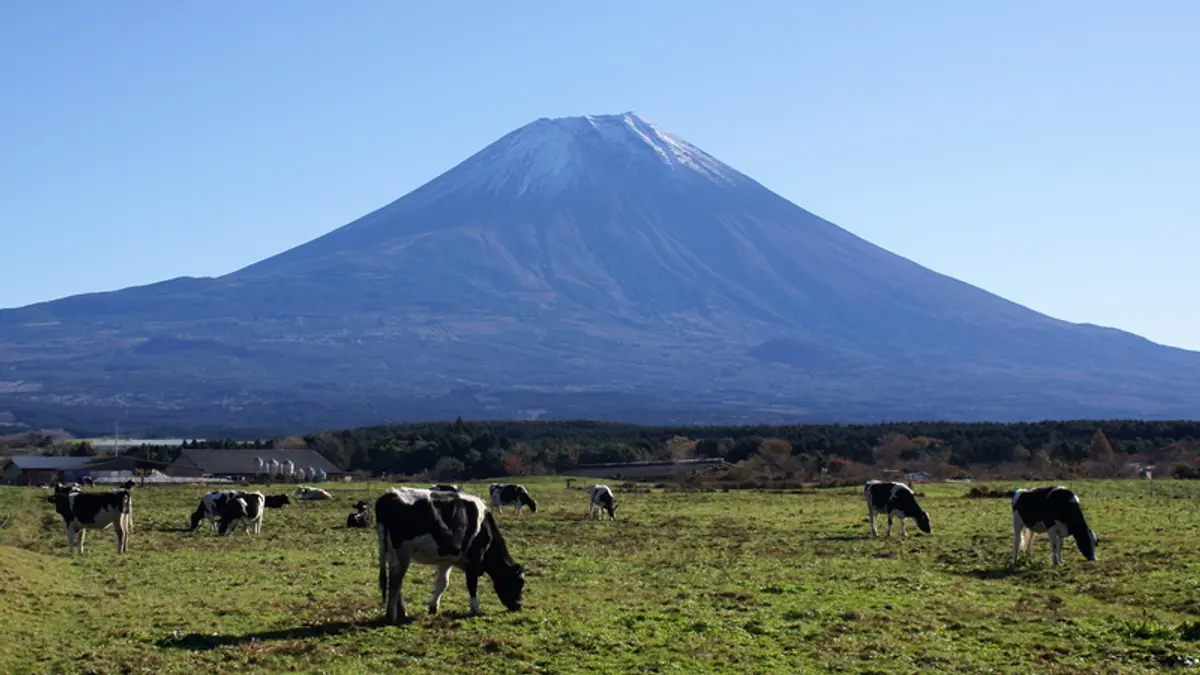
Shizuoka stretches for more than 150 kilometers from east to west between Tokyo and Nagoya, and its destinations are too varied to treat the prefecture as a single sightseeing area. The Izu Peninsula offers hot springs and dramatic coastlines, the Fuji area brings travelers close to Japan's best-known mountain, central Shizuoka combines city culture with Suruga Bay, and the western part of the prefecture opens toward Hamamatsu and Lake Hamana.
For most visitors, the useful question is not how to see all of Shizuoka, but which part best matches the trip they want. Eastern Shizuoka is particularly easy to combine with Tokyo, while the central and western areas work naturally for travelers moving along the Tokaido corridor between Tokyo, Nagoya, Kyoto, and Osaka.
Atami — The Easiest Onsen Escape
Atami is one of the simplest places in Shizuoka to add to a Tokyo-based trip. The city developed as a hot-spring resort and remains centered on onsen, seaside views, hotels and ryokan, while still being compact enough for a short stay.
Its appeal is broader than bathing alone. MOA Museum of Art sits above the city, while Kinomiya Shrine, the shopping streets around Atami Station, and the waterfront give visitors several ways to spend the day without traveling far from town. The city's official tourism site continues to treat hot springs, art, shrines, shopping streets and its waterfront fireworks as central parts of the Atami experience.
Choose Atami when the priority is an easy onsen stay with minimal travel planning rather than a long journey around the Izu Peninsula.
The Izu Peninsula and Shimoda — Coastlines, Beaches and a Slower Trip
Travel farther south and Izu becomes less like a quick resort stop and more like a region worth exploring in its own right.
The peninsula is known for beaches, hot springs, rugged volcanic coastlines and mountain scenery. Shimoda in southern Izu adds a historic port town to that landscape. Its streets include traditional namako walls and local Izu stone, while the wider area combines coastal scenery with sites connected to the arrival of the American "Black Ships" in the nineteenth century.
Shimoda is also one of the easier bases in southern Izu for travelers relying on public transport, because the railway reaches Izukyu-Shimoda Station. Beyond the town, however, many beaches and geological sites require buses or more careful planning.
Choose Izu when the coast, onsen and scenery are the main purpose of the trip rather than simply an addition to a city itinerary.
Fujinomiya and the Fuji Area — Experience Mt. Fuji from the Shizuoka Side
Shizuoka's Fuji area offers a different relationship with Mt. Fuji from the Fuji Five Lakes on the Yamanashi side.
Fujinomiya is closely connected with the mountain's religious history. Fujisan Hongu Sengen Taisha and nearby sites reflect the long tradition of Fuji worship, while the Mt. Fuji World Heritage Centre introduces the mountain's cultural and natural significance. Shiraito Falls and the Asagiri Plateau provide other ways to experience the landscape around the mountain without making climbing the focus of the trip.
This distinction is important for TransitDojo because the existing Mount Fuji article already deals with safe and respectful climbing. This Guide instead treats Fujinomiya and the surrounding area as destinations for travelers who want to understand and see Mt. Fuji from its southern foothills.
Choose Fujinomiya when Mt. Fuji itself is a major reason for visiting Shizuoka, but climbing it is not necessarily the objective.
Shizuoka City and Miho — City Culture, Suruga Bay and Fuji Views
Shizuoka City works well for travelers who want a regional-city base rather than a resort town.
The city is historically associated with Tokugawa Ieyasu and also sits between the mountains and Suruga Bay. Its location makes it possible to combine urban sightseeing with places such as Nihondaira, Kunozan Toshogu, and the Shimizu waterfront.
Miho no Matsubara is the clearest example of how this part of the prefecture brings several themes together. The pine-lined coast is part of the UNESCO World Heritage property associated with Mt. Fuji and has long been valued for views of the mountain across the water. The nearby Miho Shirube visitor facility explains why the landscape became important in Japanese art, religion and legend.
Choose Shizuoka City when you want a practical urban base that still gives access to coastal scenery, history and classic views of Mt. Fuji.
Hamamatsu and Lake Hamana — History, Food and Western Shizuoka
At the western end of the prefecture, Hamamatsu has a character quite different from Atami, Izu or the Fuji foothills.
Hamamatsu Castle is closely associated with Tokugawa Ieyasu, who made the city an important base before becoming shogun. The present castle tower is reconstructed, while parts of the original stonework survive. The city is also strongly associated with musical instruments and manufacturing, giving it a modern industrial identity alongside its historical attractions.
West of the city center, Lake Hamana changes the pace again. The brackish lake is associated with hot springs, cycling, sightseeing around Kanzanji, and a long tradition of eel farming. The wider Hamamatsu and Lake Hamana area is particularly suitable for travelers who want to mix food, outdoor scenery and history rather than focus on a single landmark.
Choose Hamamatsu when your journey already extends toward Nagoya or Kansai, or when western Shizuoka's combination of history, food and lake scenery is more appealing than the resort atmosphere of eastern Shizuoka.
How to Choose Your Shizuoka Trip
For the easiest short trip from Tokyo, Atami is the most straightforward choice. If you have more time and want beaches, dramatic coastline and a slower regional journey, continue into the Izu Peninsula and toward Shimoda.
Choose Fujinomiya and the Fuji area when Mt. Fuji is the main theme of the trip. Choose Shizuoka City when you want a central base combining history, Suruga Bay and views of the mountain.
Hamamatsu and Lake Hamana make the most sense for travelers continuing west toward Nagoya or Kansai, or for those interested in Tokugawa history, local food and a different side of Shizuoka.
Shizuoka is long enough that trying to connect Atami, Shimoda, Fujinomiya, Shizuoka City and Hamamatsu in one short trip can easily turn sightseeing into transit. Choosing one or two areas that match the purpose of the journey usually produces a better trip.
Where to stay
Planning to stay overnight? Find accommodation in: