Tokyo Has Remote Islands Too: Choosing the Right Izu Island for Your Trip
September 18, 2026
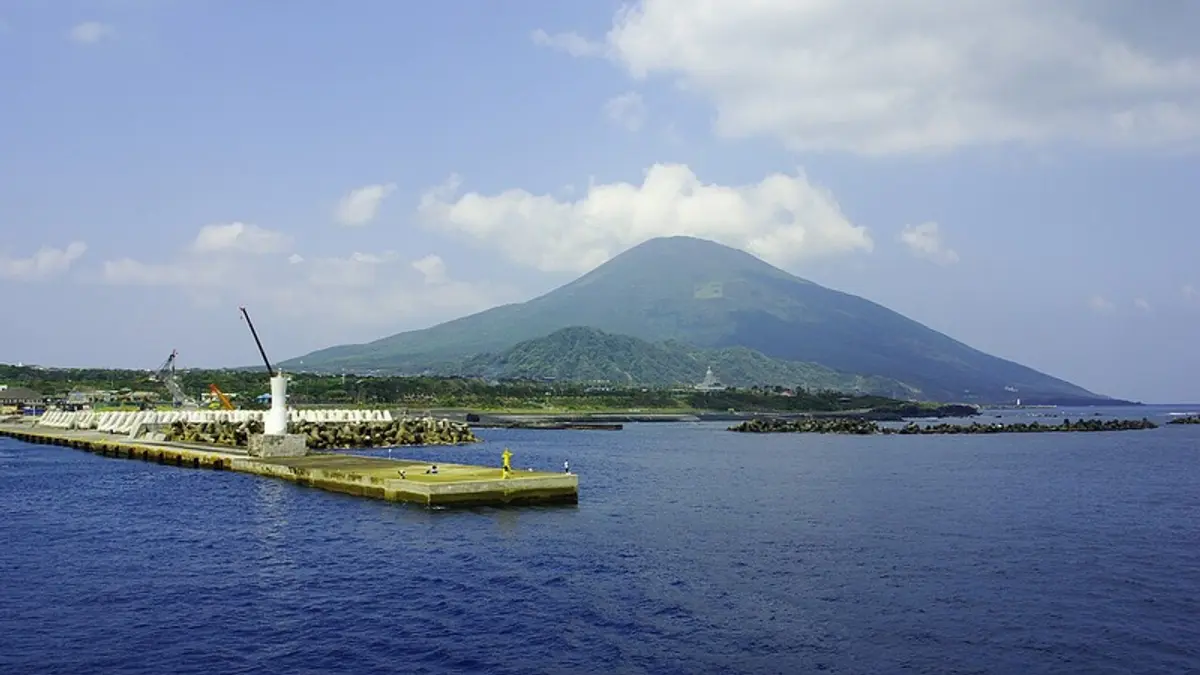
Tokyo usually brings to mind trains, skyscrapers and one of the world’s largest urban areas. But Tokyo Metropolis extends far beyond the city and out into the Pacific.
The Izu Islands are part of Tokyo. There are nine inhabited islands in the Izu chain: Oshima, Toshima, Niijima, Shikinejima, Kozushima, Miyakejima, Mikurajima, Hachijojima and Aogashima. Tokyo officially treats them as eight municipalities covering nine inhabited islands. (Tokyo Metropolitan Government)
For a practical first trip, this guide focuses on Oshima, Niijima, Kozushima, Miyakejima and Hachijojima, all of which have air links as well as sea access and some form of local public transport. Shikinejima is included as a natural addition to a Niijima trip. (Tokyo Metropolitan Government)
The important question is not simply, “How do I get to the Izu Islands?”
It is:
What kind of island trip do you want?
Choose the island first, then plan the transport.
Oshima: Volcanoes and an Easy First Island Trip
Oshima is one of the easiest places to begin exploring Tokyo’s islands.
Mount Mihara rises near the center of the island. Walking routes around the volcano pass lava fields and landscapes repeatedly reshaped by eruptions. Oshima is also famous for its camellias, giving the island a different character in winter and early spring. (Tokyo Islands — Oshima)
Bus services connect different parts of the island, although timetables should still be checked in advance. Oshima can be reached by ship, and scheduled flights also operate between Chofu and Oshima. (Tokyo Metropolitan Government)
Choose Oshima if you want volcanoes, hiking and coastal scenery in an island that is relatively straightforward to plan for a first visit.
Niijima: Beaches, Surfing and an Open Coastal Landscape
Niijima is a better match if the sea matters more to you than mountain trekking.
Habushiura Beach is known for its long white coastline and surfing. Niijima is also associated with Koga stone, used in local glassmaking and the island’s distinctive Moyai statues. Yunohama Open-Air Hot Spring sits beside the sea. (Tokyo Islands — Niijima)
The free Fureai Bus currently operates three times a day. Because service is limited, the timetable should be part of the day’s plan rather than something checked only after arrival. (Niijima Village — Fureai Bus)
Niijima can be reached by ship and by scheduled flight from Chofu. (New Central Airservice)
Choose Niijima if beaches, surfing and a relaxed coastal atmosphere are your priorities.
Shikinejima: Add a Smaller Island to Your Niijima Trip
Shikinejima works naturally as an additional island rather than as another major destination to compare equally with the other five.
Its deeply indented coastline includes sheltered Tomari Beach, while Jinata Onsen is a natural seaside hot spring whose temperature changes with the tide. (Tokyo Islands — Shikinejima)
Niijima and Shikinejima are connected by the village-operated Nishiki, which normally makes three round trips a day. (Niijima Village — Nishiki)
Shikinejima has no taxi service. The island is small but surprisingly hilly, so walking, cycling and transfers offered by some accommodations should be considered when planning how to move around. (Shikinejima Tourism)
If you are already going to Niijima, consider Shikinejima for beaches, natural hot springs and a noticeably smaller island atmosphere.
Kozushima: Mountains, Clear Water and Dark Skies
Kozushima is a strong choice if hiking is one of the main reasons for the trip.
Mount Tenjo rises to 572 meters, but its summit area includes sandy ground, ponds, alpine plants and broad views over the surrounding islands. Kozushima is also known for clear coastal water and starry skies. (Tokyo Islands — Kozushima)
The island has a village bus and taxis. Kozushima can be reached by ship, and scheduled flights also connect it with Chofu. (Kozushima Tourism)
Choose Kozushima if you want trekking, clear water and quiet evenings under a dark sky.
Miyakejima: A Volcanic Island Where Nature Keeps Recovering
Miyakejima is also volcanic, but its appeal differs from Oshima.
Relatively recent eruptions have left clearly visible volcanic landscapes, while the forests around Tairoike support rich birdlife. The contrast between lava, recovering vegetation and wildlife is one of the island’s defining characteristics. (Tokyo Islands — Miyakejima)
The village bus runs five regular services a day, and additional buses meet the early-morning passenger ship. Miyakejima is served by the overnight passenger ship from Takeshiba and by scheduled flights from Chofu. (Miyakejima Tourism — Bus)
Choose Miyakejima if you want to see volcanic landscapes together with forests and birdlife.
Hachijojima: Sea, Mountains and Hot Springs in One Trip
Hachijojima is a good choice if you do not want the trip to revolve around only one activity.
The island combines volcanic mountains, coastal lava landscapes, sea activities and hot springs. Hachijo Fuji dominates the northern part of the island, while Nanbara Senjojiki shows the black lava landscape created by earlier volcanic activity. (Tokyo Islands — Hachijojima)
Hachijo Town operates local bus services, and the island also has taxis. (Hachijojima Tourism — Transport)
Its biggest transport difference is the airport. Scheduled ANA flights currently connect Haneda and Hachijojima, in addition to the passenger ship from Takeshiba. (ANA — Tokyo to Hachijojima)
Choose Hachijojima if you want mountains, sea and hot springs in one stay, or if direct air access from Haneda is important.
Which Island Should You Choose?
For a first trip, Oshima offers a straightforward balance of volcanoes, hiking and island scenery.
If the sea and surfing come first, choose Niijima, with Shikinejima as a natural second island if the schedule allows.
For trekking, clear water and starry nights, choose Kozushima.
For volcanic landscapes, forests and birdlife, choose Miyakejima.
For the broadest mixture of sea, mountains and hot springs — and direct flights from Haneda — choose Hachijojima.
They all have Tokyo addresses, but they offer very different trips.
Getting There Is Only Half the Transport Plan
The Izu Islands are served by several overlapping transport systems rather than one simple line.
New Central Airservice currently operates scheduled Chofu services to Oshima, Niijima, Kozushima and Miyakejima. ANA operates the Haneda–Hachijojima route. Ships provide another major link between Tokyo and the islands. (New Central Airservice — Current Routes)
Sea and weather conditions matter. Schedules and ports can change, so current operating information should be checked close to departure.
It is just as important to check what happens after arrival. Bus frequencies are much lower than in central Tokyo, and some islands require considerably more advance planning than others.
The simplest order is:
choose what you want to do → choose the island → check how to reach it → check how to move around after arrival.
And the Other Three Inhabited Islands?
Toshima, Mikurajima and Aogashima are also inhabited Izu Islands.
They are not left out because they are less interesting. Toshima is known for its camellias, Mikurajima for its protected natural environment and wild dolphins, and Aogashima for its remote volcanic landscape. (Tokyo Islands — Toshima)
They simply require a different style of planning, so this guide keeps them brief rather than turning the article into a catalogue of all nine islands.
Tokyo has far more than a city to explore.
Sometimes, the surprising part is simply realizing how much of Tokyo lies beyond the mainland.
Where to stay
Planning to stay overnight? Find accommodation in: