Osaka, Kyoto or Kobe? Choosing the Right Base for Your Kansai Trip
September 21, 2026
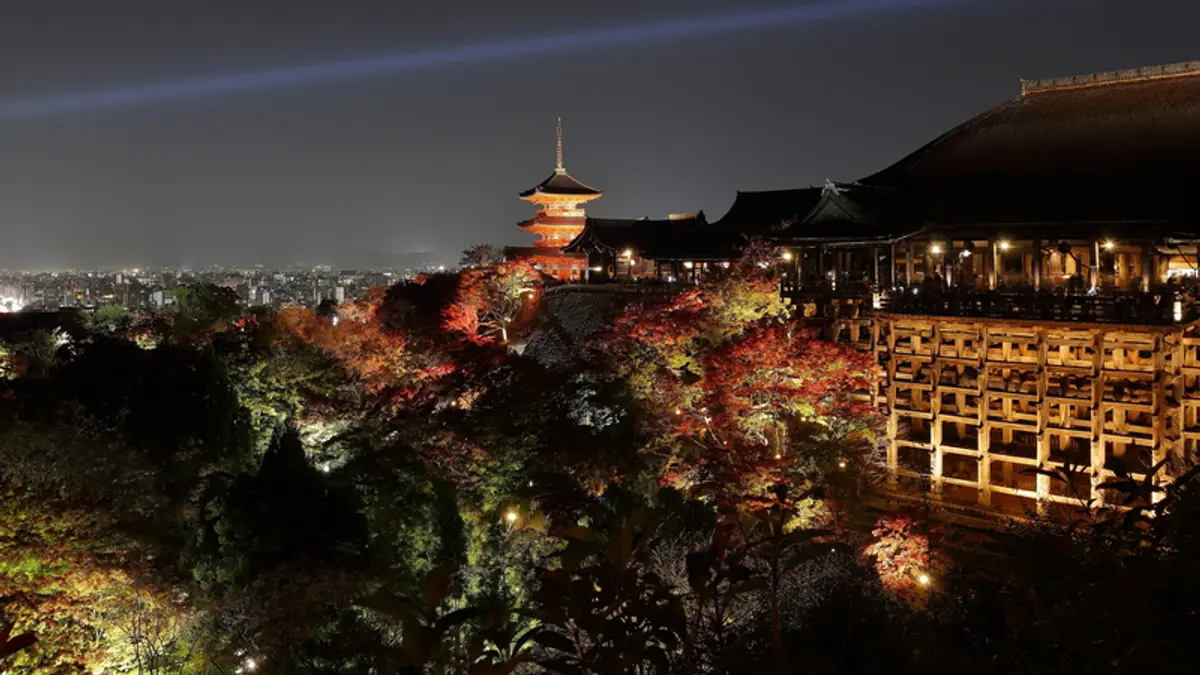
Three Cities, One Urban Region
Osaka, Kyoto, and Kobe are close enough to combine in a single trip, but they offer very different experiences.
Osaka is the largest urban center of the three and a particularly flexible base for exploring the region. Kyoto offers a dense concentration of historic temples, shrines, traditional streets, and cultural landmarks. Kobe has relatively compact central sightseeing areas, with the sea on one side and the Rokko mountains immediately behind the city.
Because the three cities are connected by several railway networks, travelers do not necessarily need to change hotels every time they move from one city to another. The more useful question is often not “Which city should I visit?” but “Which city should I use as my base, and which should I explore from there?”
This guide focuses on that choice.
Getting to the Osaka–Kyoto–Kobe Area
From Tokyo and eastern Japan, the Tokaido Shinkansen is the main rail gateway to the region. Travelers heading primarily to Kyoto can get off at Kyoto Station, while Shin-Osaka is the main Shinkansen gateway for Osaka. Travelers continuing directly to Kobe can also use Shin-Kobe Station.
Domestic flights are another option, especially from Tokyo and other major Japanese cities. Osaka Itami Airport is the main domestic airport serving the urban area, while Kansai International Airport also handles domestic services.
For most international visitors arriving directly in the region, Kansai International Airport is the main gateway. From there, Osaka, Kyoto, and Kobe can all be reached by rail or bus.
Detailed airport access is covered separately in Getting from Kansai International Airport to Osaka, Kyoto, and Kobe.
Osaka — A Flexible Base for Exploring Kansai
Osaka works particularly well for travelers who want a large city, lively evenings, food, shopping, and easy rail connections in several directions.
The city itself has more than one center. Umeda, around Osaka Station, is the main northern business and transport district. Namba and the surrounding Minami area form the southern entertainment center, with Dotonbori, shopping streets, restaurants, and nightlife nearby. Farther south, Shinsekai is known for its retro atmosphere, while Tennoji and Abeno combine major transport hubs, shopping, parks, temples, and other attractions. Osaka Castle and the bay area add still more distinct districts.
For a first-time visitor planning to see several parts of Kansai, Osaka has one major advantage: flexibility.
Osaka is connected to surrounding cities and destinations across Kansai by several railway networks. JR, Hankyu, Hanshin, Keihan, Kintetsu, and Nankai each serve different parts of the region. That can make Osaka’s rail network look complicated at first, but it also gives travelers many choices.
If your trip is not primarily centered on Kyoto, Osaka can be a particularly practical place from which to change plans from day to day.
Travelers who mainly want nightlife and restaurants may prefer Namba. Those expecting to make frequent intercity trips may find the Osaka/Umeda area more convenient.
Osaka’s wider urban area also extends beyond the central city. South of Osaka, Sakai offers a very different experience, with the Mozu kofun tombs, tea culture associated with Sen no Rikyu, and a long tradition of knife making. It can be visited from central Osaka without turning the trip into a separate long-distance excursion.
Detailed information about Osaka’s local railway and subway systems belongs in the separate Getting Around Osaka guide rather than here.
Kyoto — Stay Here When Kyoto Is the Main Reason for Your Trip
Kyoto is physically close to Osaka, but it does not feel like an extension of Osaka.
Its major sights are spread across several areas: Higashiyama and Gion in the east, Arashiyama in the west, Fushimi in the south, northern temple districts, and the area around Kyoto Station.
That geography matters when choosing where to stay.
The Kyoto Station area is useful for travelers arriving by Shinkansen or making frequent rail trips outside the city. Shijo-Kawaramachi and Shijo-Karasuma put visitors closer to shopping, dining, Gion, Nishiki Market, and the central part of Kyoto. Staying in Higashiyama provides easier access to several of Kyoto’s best-known historic districts and makes it easier to spend early mornings or evenings in the area.
Kyoto is therefore a strong base when the city itself is the main focus of the trip.
Travelers who want to visit temples early in the morning, walk through historic neighborhoods in the evening, or spend several days exploring different parts of Kyoto may find it more convenient to stay in Kyoto rather than commute from Osaka every day.
Kyoto also extends beyond the most famous central districts. Arashiyama, Fushimi, and nearby Uji can easily fill additional days without turning the trip into a long-distance excursion.
Kobe — Port City, Mountains, and a Compact Urban Center
Kobe’s central sightseeing areas are relatively compact, with the waterfront and mountains close together.
The center of Kobe is squeezed between Osaka Bay and the Rokko mountain range. Sannomiya and Motomachi form the main urban core, while Kitano rises toward the hills and Meriken Park and Harborland face the waterfront. The combination makes it possible to experience city streets, harbor scenery, and mountain views within a relatively small area.
Kobe also has a different historical character from Kyoto. Its modern identity was shaped strongly by the development of the international port, leaving foreign-influenced architecture and neighborhoods such as Kitano and the former foreign settlement.
For travelers who want a more compact urban base than central Osaka, Kobe can be attractive. It still provides easy access to Osaka and reasonable access to Kyoto, while evenings around the harbor or Sannomiya offer a different atmosphere from either of the larger tourist centers.
Kobe also expands naturally into the mountains. Mt. Rokko and Mt. Maya rise directly behind the city, and Arima Onsen lies on the northern side of the Rokko range.
This makes Kobe particularly suitable for travelers who want to combine an urban stay with scenery or an onsen without moving far into rural Japan.
Do You Need to Change Hotels?
Not necessarily.
Osaka, Kyoto, and Kobe are close enough that a traveler staying in one can visit the others by train. The railway network is one of the defining features of this part of Japan.
Changing hotels makes the most sense when the character of the stay changes.
A traveler might, for example, stay several nights in Osaka for food, nightlife, and regional day trips, then move to Kyoto to spend early mornings and evenings near historic districts. Kobe may be added as a day trip, or as an overnight stop for travelers who want the harbor, Mt. Rokko, or Arima Onsen at a slower pace.
For a short visit, however, choosing one base and traveling by train can be simpler than repeatedly moving luggage.
Choosing Between Osaka, Kyoto, and Kobe
Choose Osaka if you want a flexible transportation base, a large modern city, food, shopping, nightlife, and easy access in several directions.
Choose Kyoto if historic Kyoto is the main purpose of the trip and you want more time in its neighborhoods before and after the busiest sightseeing hours.
Choose Kobe if you prefer a compact port city, want mountains and waterfront scenery close to the center, or want to combine an urban stay with Mt. Rokko or Arima Onsen.
Many travelers will visit all three. The important choice is not which one to exclude, but how much time each deserves and whether one city or two should serve as the base for the trip.
Reference Links
Where to stay
Planning to stay overnight? Find accommodation in:
Kyoto StationShijo-KawaramachiShijo-KarasumaUmedaHigashiyamaKobeNamba