Where to Go Near Tokyo: Yokohama, Kamakura, Kawagoe, Narita and Mt. Takao
September 19, 2026
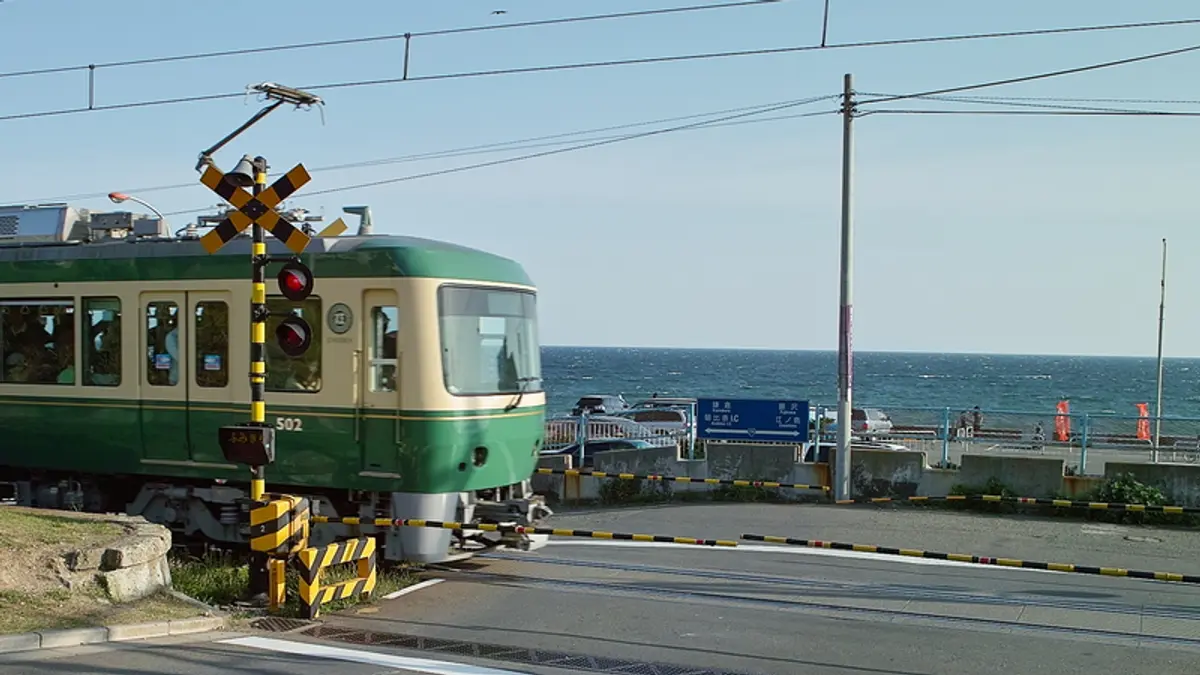
Tokyo can easily fill an entire trip, but staying in the capital does not mean spending every day in central Tokyo.
Within about an hour of the city, the scenery and atmosphere can change dramatically. Yokohama offers a spacious waterfront and another side of urban Japan. Kamakura combines temples, history and the coast. Kawagoe preserves streets that recall the Edo period. Narita and Sawara turn the area around the international airport into a sightseeing destination rather than somewhere to simply pass through. Mt. Takao offers forests and mountain trails while remaining inside Tokyo itself.
The question is not how many of these places you can fit into your trip.
It is which one gives you the kind of day you want.
Yokohama: Another big city, but a very different atmosphere
Yokohama is one of the easiest additions to a Tokyo itinerary.
From major stations in central Tokyo, Yokohama can be reached in well under an hour. Minato Mirai, Yamashita Park, the Red Brick Warehouse and Osanbashi open toward the harbor, giving the city a much more spacious feeling than many parts of central Tokyo. Yokohama Chinatown adds another layer to the city and reflects its long history as an international port. From Shinjuku, Yokohama Station is around 30 minutes by rail, while the waterfront is also convenient from Haneda Airport. (japan.travel)
Yokohama works especially well if you want a day with museums, shopping, food and evening views without giving up the convenience of a major city.
A single day is enough for the main waterfront and Chinatown, while an overnight stay gives you more time to explore neighborhoods beyond the best-known sightseeing area.
Kamakura and Enoshima: History in the morning, the sea in the afternoon
Kamakura feels much farther from Tokyo than the journey suggests.
Kamakura Station is about 55 minutes from Tokyo Station on the JR Yokosuka Line. The city was once a political center of Japan and is now known for temples, shrines, the Great Buddha, wooded hills and beaches. Many major sights can be reached on foot or by local transport from the station. (japan.travel)
For a first visit, give Kamakura most of the day rather than trying to collect every famous temple.
If you still have time, continue toward Enoshima. The combination works well because it changes the character of the day: temples and historic streets first, then coastal scenery, cafés and the sea. JNTO itself presents Kamakura and Enoshima as a natural full-day combination. (japan.travel)
Kamakura is the better choice when history is the priority. Add Enoshima when you also want a relaxed seaside finish.
Kawagoe: A taste of old Japan without traveling far
Kawagoe is one of the easiest ways to add traditional streets to a Tokyo-based trip.
Its warehouse district, Toki no Kane bell tower, temples, shrines and traditional shops have earned it the nickname “Little Edo.” Major Tokyo stations are less than an hour away, and the Tobu Tojo Line can take travelers from Ikebukuro to the Kawagoe area in around 30–35 minutes on faster services. (japan.travel)
Kawagoe is particularly useful when you do not have a completely free day.
A half-day is possible, while a full day gives you time to leave the busiest streets and explore temples and quieter parts of town.
Choose Kawagoe if you want historical atmosphere but do not want the longer journey required for destinations such as Nikko.
Narita: Don't assume the airport is all there is
Narita is often treated only as the location of Narita International Airport.
But if you arrive early, leave Japan late in the day, or stay near the airport, the city itself can be a useful sightseeing stop.
Naritasan Shinsho-ji Temple is reached along Narita Omotesando, a traditional approach lined with shops and restaurants. JR Narita Station is only one stop from Narita Airport Terminal 2 Station. (japan.travel)
Instead of treating an airport day as lost time, Narita can turn it into part of the trip.
Sawara: Go beyond Narita for a quieter historic town
If you have more time, continue farther into Chiba to Sawara.
Sawara grew as a merchant town, and the old canals and historic buildings preserve an atmosphere that recalls the Edo period. From Narita, local trains on the JR Narita Line take about 30 minutes to Sawara. Direct express buses also operate from Tokyo Station, with a journey of around 90 minutes. (japan.travel)
Kawagoe is easier from central Tokyo, but Sawara can be particularly attractive if your itinerary already brings you toward Narita.
Narita and Sawara can therefore work together as a sightseeing day on the eastern side of the metropolitan area.
Mt. Takao: Leave the city without really leaving Tokyo
Mt. Takao is still within Tokyo Metropolis, but once you reach the trails, central Tokyo can feel a long way away.
Takaosanguchi Station is around 55 minutes from Shinjuku on the Keio Line. Mt. Takao rises to 599 meters and offers several walking routes, Yakuoin Temple, and cable-car and lift options for visitors who do not want to hike from the base. On clear days, Mt. Fuji can be visible from the mountain. (japan.travel)
That flexibility is part of Takao's appeal.
You can make it a real hike or simply enjoy a few hours of mountain scenery.
Because it is so accessible, weekends, public holidays and the autumn foliage season can be extremely busy. An early start is usually a good idea.
Day trip or overnight stay?
For these destinations, changing hotels is usually unnecessary.
Yokohama, Kamakura, Kawagoe and Mt. Takao are natural day trips from Tokyo. Narita can be combined with an airport stay, while Sawara can be added when you have a little more time on the eastern side of the region.
If your Tokyo schedule is already crowded, do not treat these places as another checklist.
Choose one.
A relaxed day in Kamakura will usually be more memorable than rushing through several destinations simply because they look close together on a map.
Which destination should you choose?
Choose Yokohama for another urban experience with a harbor atmosphere.
Choose Kamakura and Enoshima for temples, history and the sea.
Choose Kawagoe for traditional streets with minimal travel time.
Choose Narita and Sawara when your itinerary already brings you toward Narita Airport.
Choose Mt. Takao when what you really need after several days in Tokyo is trees, trails and fresh air.
One of Tokyo's greatest strengths is not only what is inside the city.
It is how quickly you can leave one kind of Japan and find another.
Related planning guides
Where to stay
Planning to stay overnight? Find accommodation in: