Going a Little Farther from Tokyo: Hakone, Chichibu, Mt. Fuji and Yamanashi
September 19, 2026
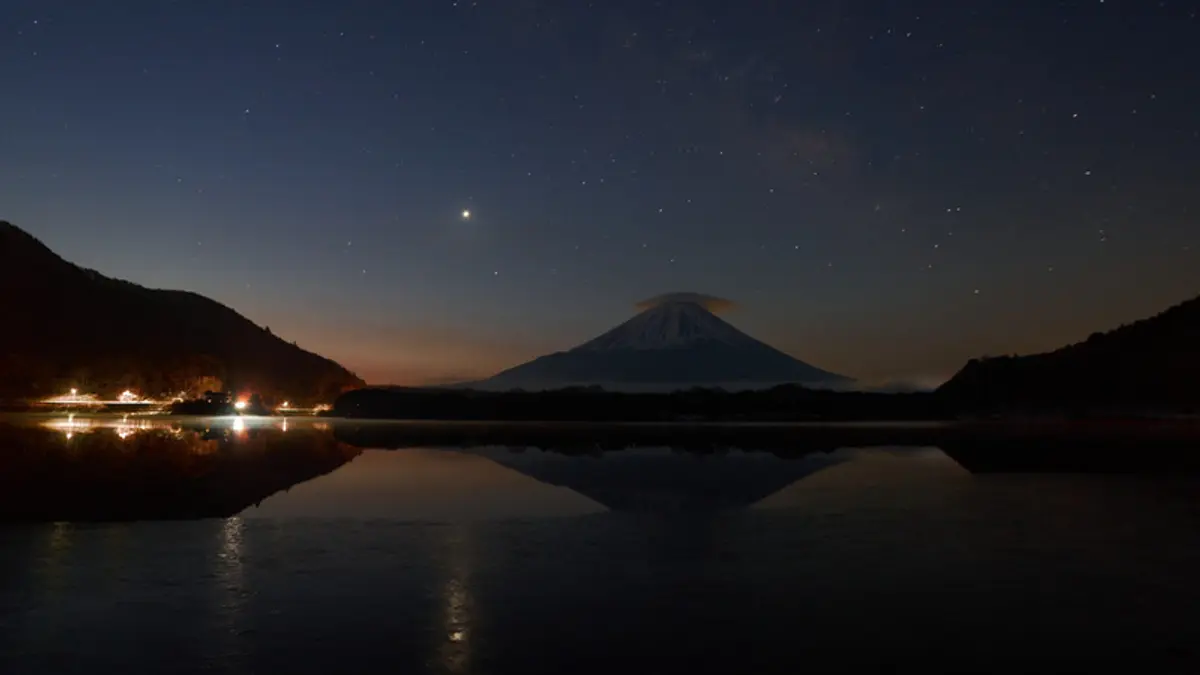
Some places around Tokyo work perfectly as quick day trips.
Others become much more rewarding when you stop thinking about getting back to Tokyo as quickly as possible.
Hakone, Chichibu and Yamanashi belong to this second group.
They are still close enough to combine with a Tokyo stay, but they begin to feel like separate journeys. You can stay at an onsen in Hakone, enter the mountains of Chichibu, see Mt. Fuji from the Fuji Five Lakes, walk through Shosenkyo Gorge, explore vineyards around Katsunuma, or continue into the highlands around Kiyosato and Yatsugatake.
This is where a Tokyo trip can gradually become a journey into central Japan.
Hakone: The easiest place to slow down
Hakone is one of Japan's best-established resort areas near Tokyo.
Hakone-Yumoto is about 90 minutes from Shinjuku by Odakyu, and the wider Hakone area includes hot springs, Lake Ashinoko, museums and volcanic landscapes such as Owakudani. On clear days, there are viewpoints toward Mt. Fuji. (japan.travel)
Hakone can certainly be visited as a day trip.
But rushing through a loop of transportation and attractions before returning to Tokyo can miss one of Hakone's main attractions: slowing down.
Stay at a ryokan, take an evening bath, eat dinner without worrying about the last train, and continue sightseeing in the morning.
Choose Hakone when the accommodation itself is part of the travel experience.
Chichibu: Mountains while remaining in Kanto
Chichibu lies in western Saitama but feels surprisingly distant from metropolitan Tokyo.
It is around an hour and a half from Tokyo and can be reached directly from Ikebukuro by Seibu Railway. The region includes mountains, river scenery, temples and seasonal flowers, while nearby Nagatoro adds the Arakawa River and dramatic rock formations. (japan.travel)
Central Chichibu works as a long day trip.
If you want to continue farther into the mountains, visit Mitsumine Shrine, spend time around Nagatoro, or hike, staying overnight becomes more attractive.
Chichibu is a useful middle step between an easy Tokyo excursion and a longer trip into Yamanashi or Nagano.
The Fuji Five Lakes: You do not need to climb Mt. Fuji
For many international visitors, Yamanashi begins with Mt. Fuji.
The Fuji Five Lakes are Kawaguchiko, Yamanakako, Saiko, Shojiko and Motosuko. Kawaguchiko has the most developed visitor infrastructure and is generally the easiest first base, while the other lakes offer different scenery and, in some cases, a quieter atmosphere. (japan.travel)
The most important thing to remember is that you do not have to climb Mt. Fuji to experience Mt. Fuji.
Walking around the lakes, staying overnight, visiting surrounding towns and simply watching the mountain change with the weather can be a complete trip.
If seeing Fuji is one of the main goals of your trip, staying overnight gives you more opportunities than a rushed day trip.
If you plan to climb Mt. Fuji, treat that as a separate mountaineering activity rather than ordinary sightseeing.
Read our Mt. Fuji safety and etiquette guide before planning a climb.
Kofu: Another gateway to Yamanashi
Kawaguchiko is the best-known international gateway to Yamanashi, but it is not the whole prefecture.
Kofu is the prefectural capital and a practical base for the Kofu Basin, Shosenkyo Gorge, wine country and historical sites associated with Takeda Shingen. Yamanashi's official tourism organization divides the prefecture into six tourism areas, including separate Fuji Five Lakes, Kofu–Shosenkyo, winery and Yatsugatake regions. (yamanashi-kankou.jp)
That division makes sense.
A stay around Kofu feels quite different from staying beside Lake Kawaguchiko.
Shosenkyo: Mountain scenery without a summit climb
Shosenkyo Gorge lies north of Kofu and forms part of Chichibu-Tama-Kai National Park.
A roughly five-kilometer walking route follows the gorge between granite cliffs and unusual rock formations toward Sengataki Waterfall. Above the upper end of the gorge, the ropeway leads to viewpoints over the surrounding mountains and, in clear weather, Mt. Fuji and the Southern Alps. (yamanashi-kankou.jp)
Shosenkyo is particularly useful for travelers who want mountain scenery without committing to a difficult summit climb.
It is accessible by bus from Kofu.
Autumn is especially popular, so allow extra time when foliage is at its peak.
Katsunuma: Wine, grapes and another side of Japanese agriculture
East of Kofu lies Katsunuma, one of the historic centers of Japanese viticulture and winemaking.
Vineyards spread across the hills around Katsunuma-Budokyo Station, and nearly 40 wineries are based in the area. Katsunuma is particularly associated with Koshu grapes and white wine. (yamanashi-kankou.jp)
The landscape itself is part of the attraction.
This is not simply somewhere to enter a winery, taste wine and leave. The vineyards, fruit-growing culture and views across the basin make the journey worthwhile.
If you plan to taste wine, use public transport, taxis or an organized tour.
Do not drive after drinking.
Kiyosato and Yatsugatake: When the excursion becomes a short holiday
Continue toward the Yatsugatake mountains and Yamanashi changes again.
Kiyosato lies on the southern side of Yatsugatake and is known for highland scenery, farms, walking and outdoor activities. Kiyosato Station sits at 1,276 meters above sea level on the JR Koumi Line. (yamanashi-kankou.jp)
The atmosphere is very different from the Fuji Five Lakes or Kofu Basin.
The cooler climate and open mountain scenery make Kiyosato particularly attractive when you want to escape summer heat or spend time outdoors.
This is the point where it makes sense to stop thinking of the journey as a Tokyo day trip.
Stay overnight.
Have breakfast in the highlands.
Walk without checking the return train every twenty minutes.
How much time should you allow?
Hakone and Chichibu can both work as long day trips, but each improves with an overnight stay.
Kawaguchiko also works as a day trip, but staying overnight gives you more chances to see Mt. Fuji under different weather conditions.
Kofu and Shosenkyo can be combined comfortably, while Katsunuma can form another half or full day depending on how many places you visit.
Kiyosato and Yatsugatake deserve at least one night if your schedule allows.
Which should you choose?
Choose Hakone for onsen and a comfortable resort experience.
Choose Chichibu for accessible mountain scenery while remaining within Kanto.
Choose Kawaguchiko and the Fuji Five Lakes when Mt. Fuji is the priority.
Choose Kofu and Shosenkyo when you want mountains and local history without making Fuji the center of the trip.
Choose Katsunuma for wine, grapes and food.
Choose Kiyosato and Yatsugatake when you want to stop rushing and spend time in a highland landscape.
The farther you travel from Tokyo, the less important it becomes to return to Tokyo every night.
Sometimes the best way to enjoy somewhere “near Tokyo” is to stop treating Tokyo as the center of every day.
Related planning guides
Where to stay
Planning to stay overnight? Find accommodation in: