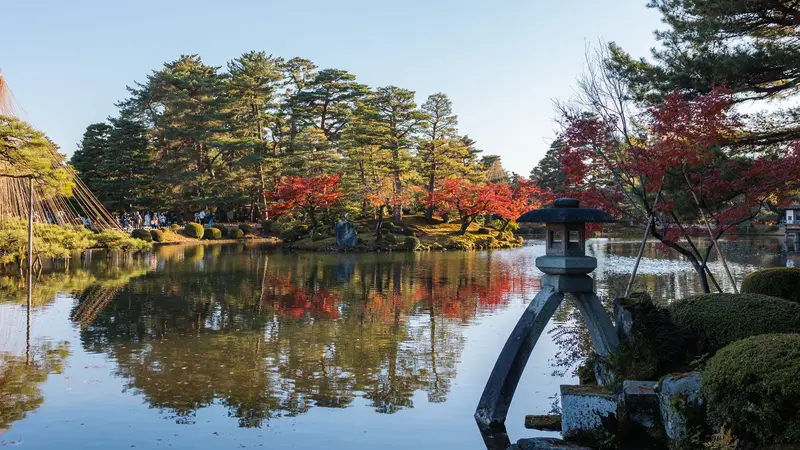
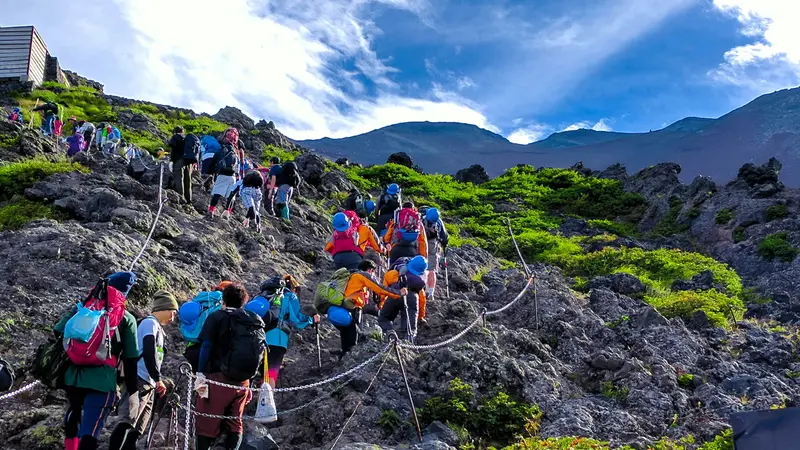
Cross central Japan from Nagoya and the Tokai coast to the Japanese Alps, Hokuriku and Yamanashi. Mountains and coastlines create very different transport corridors.
Travel planning
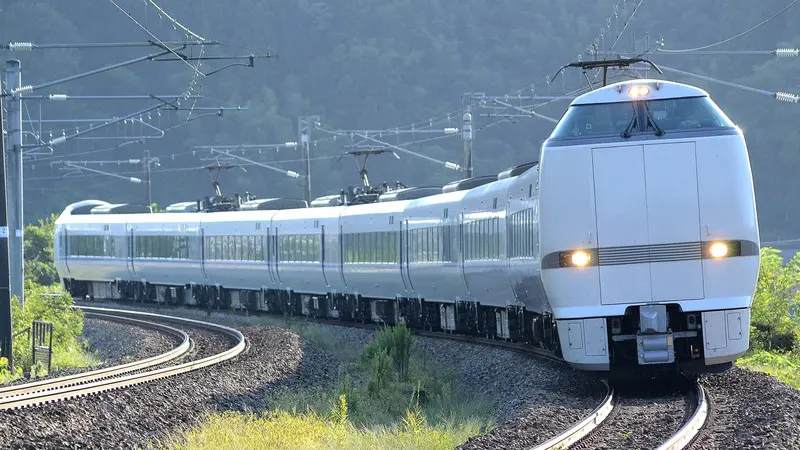
Use Nagoya, Kanazawa or another regional hub according to your destination. Check whether the last leg is a local train or a limited-frequency bus.
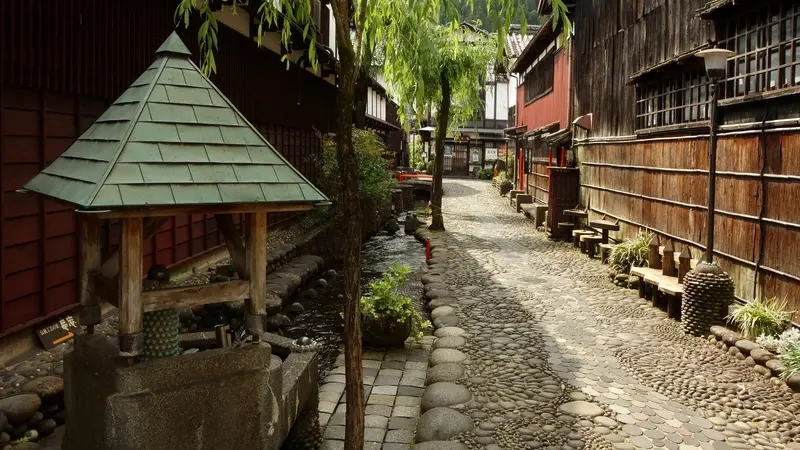
Discover a historic town in northern Gifu where wooden merchant houses, festival floats and traditional crafts bring the culture of the Hida mountains into…
In the mountains of central Gifu Prefecture lies Gujo Hachiman, a historic castle town where narrow streets, flowing waterways, and centuries-old traditions…
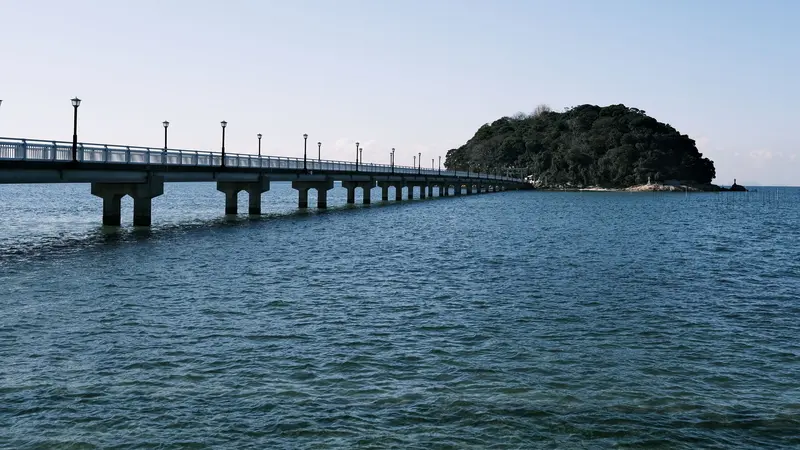
Mie is easier to understand as a collection of distinct travel areas than as a single sightseeing region. Ise, Toba and Shima form the prefecture's best-known…
Shizuoka stretches for more than 150 kilometers from east to west between Tokyo and Nagoya, and its destinations are too varied to treat the prefecture as a…
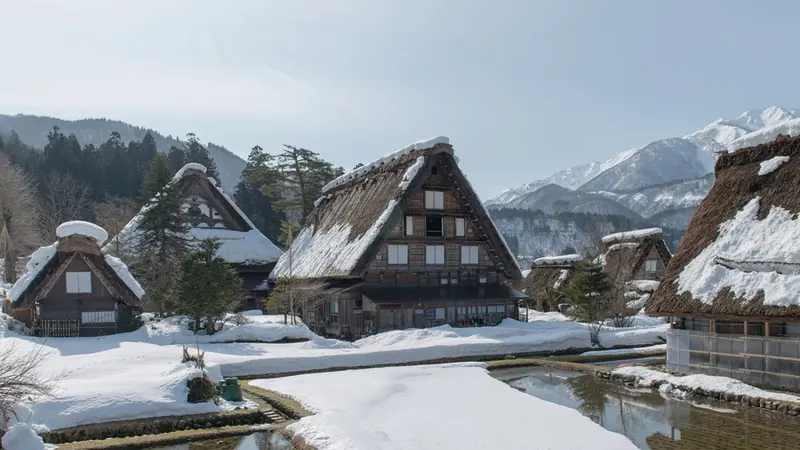
Gifu stretches from the plains north of Nagoya to the mountains of Hida, so the prefecture is difficult to understand as a single sightseeing area. Its…
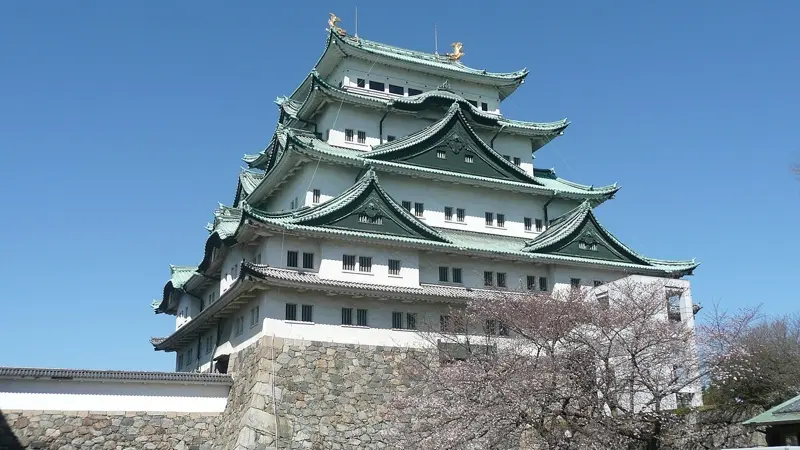
Aichi is often treated as a destination centered almost entirely on Nagoya, but the prefecture becomes much easier to understand when it is divided into…
Hokuriku faces the Sea of Japan between the high mountains of central Honshu and the coast. Toyama, Ishikawa and Fukui are linked by the Hokuriku Shinkansen,…
Nagano and Niigata sit next to each other, but traveling through them can feel like moving between several very different parts of Japan. Nagano is shaped by…
Some places around Tokyo work perfectly as quick day trips. Others become much more rewarding when you stop thinking about getting back to Tokyo as quickly as…
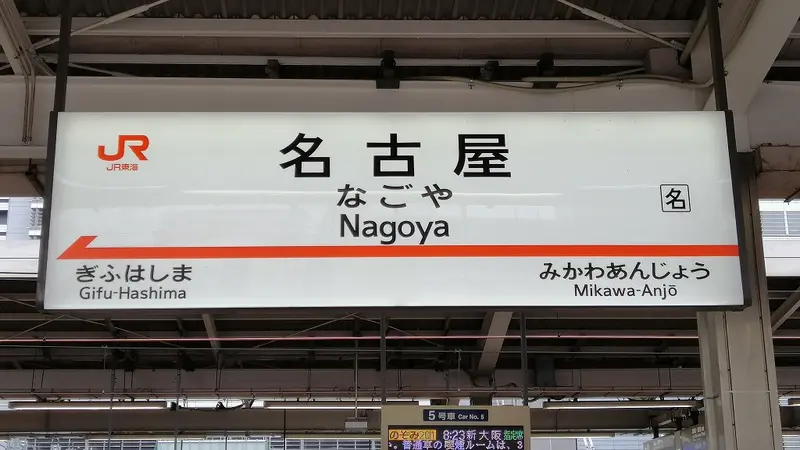
Navigating Nagoya combines a straightforward municipal subway network with a major regional private railway and a uniquely detailed lineup of day passes.…
Reaching the Hokuriku region—encompassing Toyama, Ishikawa, and Fukui prefectures—is uniquely flexible, with viable transit routes originating from both…
Departing from Nagoya opens up efficient rail routes across the wider Tokai region, connecting the bustling transit hub to coastal Shizuoka, the mountainous…
Traveling from Tokyo to the Koshinetsu region—encompassing Niigata, Nagano, and Yamanashi prefectures—leads visitors through alpine mountain ranges, coastal…
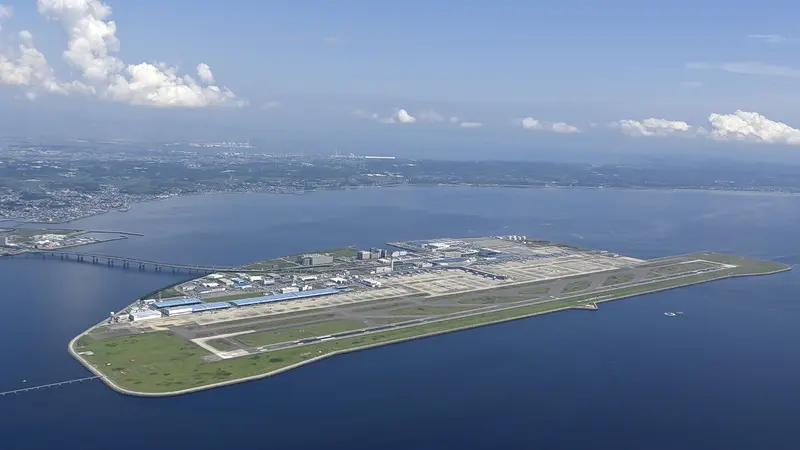
Chubu Centrair International Airport (NGO) serves as the primary international gateway for Nagoya and central Japan, built on an artificial island in Ise Bay.…
chubu-centrair-airport · nagoya · airport-access · first-time-visitors · train · bus · international-arrival
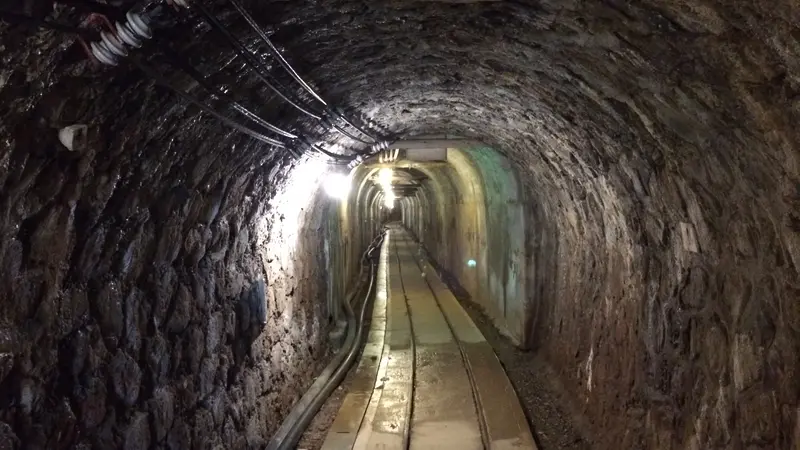
When travelers visit Japan’s old gold and silver mines today, they often find quiet mountain paths, restored tunnels, small museums, and towns that seem far…
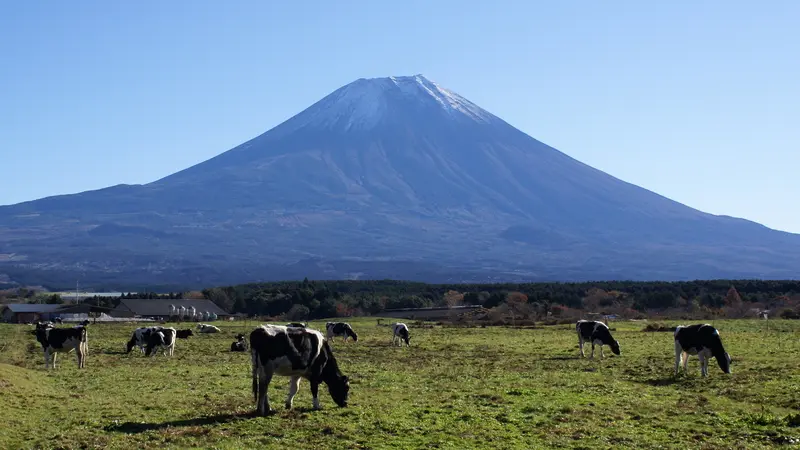
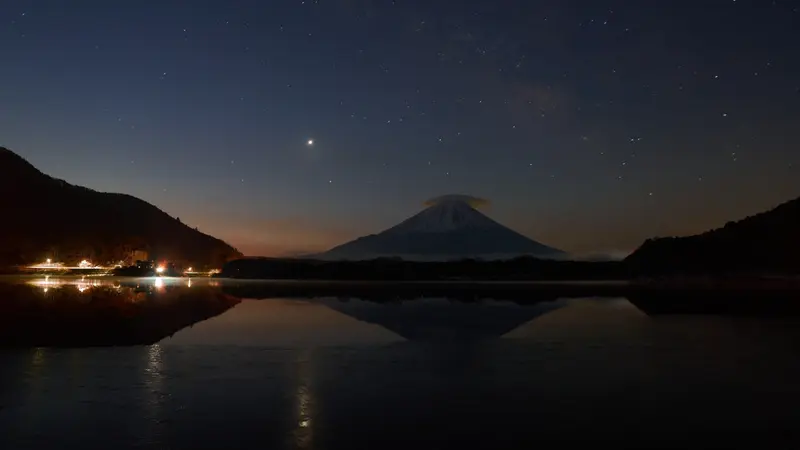
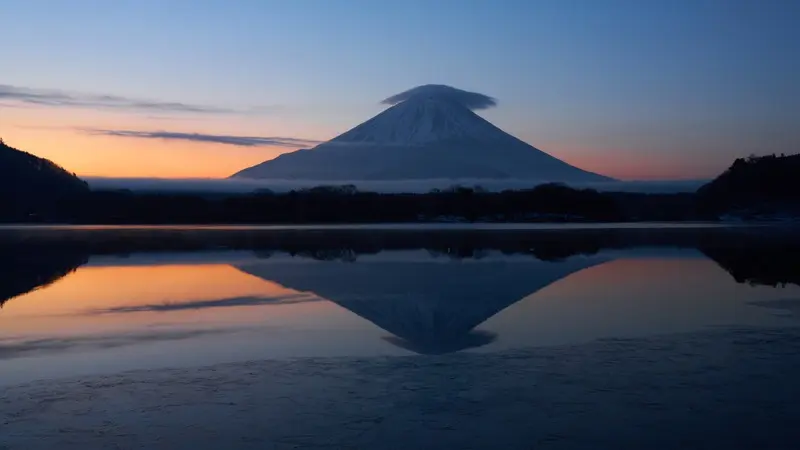
Mt. Fuji is one of the most recognizable places in Japan. It is also Japan's highest mountain at 3,776 meters, an active volcano, part of a World Heritage…
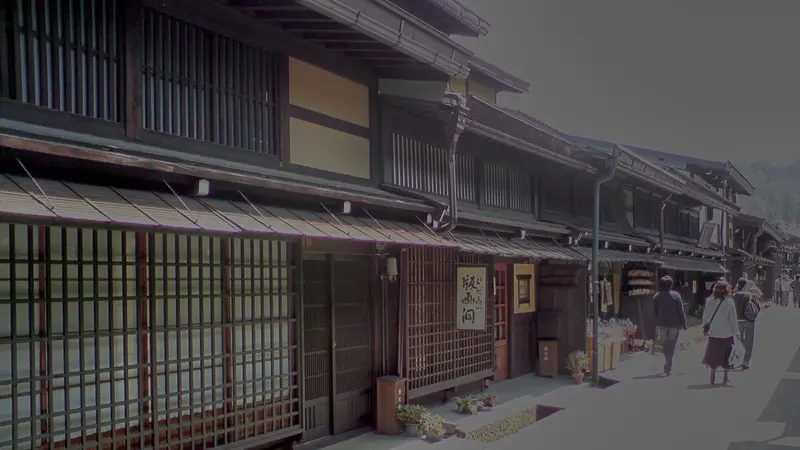 Stéphane Gallay · CC BY 2.0 · Cropped and tone-adjusted